CASH ON DELIVERY +971 52 600 6272
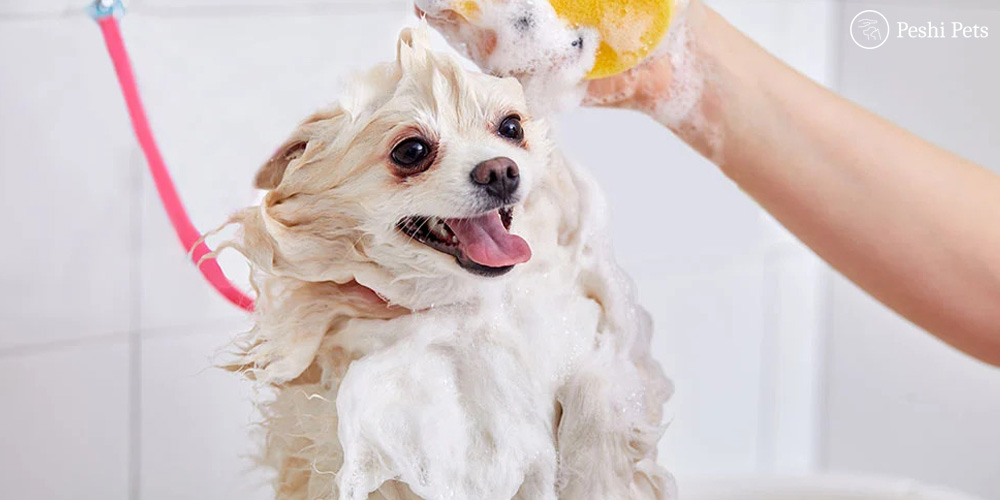
How to bath your pets with care?
Bathing is a very important activity concerning the general health and hygiene of your pet. Whether you are a new pet owner or an experienced one, you must learn how to bathe a pet safely, stress-free, and effectively. Giving a bath to your pet can be challenging. However, if you use the right techniques everything will become smooth.
Understanding When to Bathe Your Pet
Find out how often you should bathe your pet before you get started. It depends on the type of animal, breed, length of fur, and level of activity.
Dogs:
Most dogs need to be washed after every 4-6 weeks, but the frequency is based on the lifestyle of the dog. For example, dogs that often roll in the dirty area or have oily skin must often be washed. Dogs with sensitive skin may be washed less often.
Cats:
Cats are good animals and don’t need frequent bathing; however, they should be bathed if they are long-haired or have any sort of skin issue. Besides, cats like to get into the dirtiest, stickiest stuff, so a bath might be a good idea there too.
Other Pets:
All the small animals, including rabbits, guinea pigs, or hamsters, should be bathed only when completely necessary, as excessive bathing of those creates many problems with their natural oils. Always refer to your veterinarian for advice on how often to bathe your particular pet.
Preparing the Right Equipment
Preparation is key to both you and your pet making this a much easier process. Here’s what you’ll need:
Pet-friendly shampoo:
No human shampoos, which might chafe your pet’s skin. Find a shampoo specifically made for your pet. Hypoallergenic shampoos are best if your pet’s skin is sensitive or reacts to allergies.
Conditioner:
This is optional but always good for pets with long fur or dry skin, helping to maintain a softer and tangle-free coat.
Brush:
A brush will help your pet to detangle his fur before and after bathing, avoiding shedding and matting.
Towels:
Soft towels are to be used when drying the pet after bathing. Large absorbent towels work better for larger pets.
Non-slip mat:
You can place a non-slip mat in the bathtub or sink so that your pet does not slip during bathing
The Bathing Process
Now that your pet is ready, you can begin with the bath. Here is how to make it a comfortable session for your pet.
Step 1: Lukewarm Water
Fill your bathtub or sink with lukewarm water. Pets, dogs in particular and cats too, do not take to very hot or cold temperatures. Thus, keep the water lukewarm so that your pet will be more comfortable.
Step 2: Wet Your Pet’s Fur
Drip, drip: pour small amounts of water onto your pet’s fur, pouring water from the neck down to the tail without splashing on the face and head. If your dog or cat has thick fur, make sure the water drips down to the skin.
Step 3: Lather Up That Shampoo
Pour a small amount of pet-friendly shampoo onto your palm and gently rub over the body. Do not overdo the shampoo amount because it is hard to wash off. Rub it on circular motions around places such as the paws, belly, and tail. Be gentle for the pet to relax with the experience.
Step 4: Rinse Thoroughly
Rinse your pet from head to toe. Be sure to be certain that all of the shampoo is out because any remaining soap can cause irritation to their skin. Be gentle with the cup or sprayer.
Step 5: Clean Face
Clean around the eyes, ears, and mouth using a damp cloth on the face. Avoid pouring water on their head; it may hurt them. On the face of it, be more cautious because most pets really are sensitive in that area.
Drying Your Pet
Dry your pet well after the bathing process, more so for breeds with thick or long fur.
Towel-drying:
Take a big absorbent towel and put it over your pet. Then, gently pat them to remove all the dripping water, without any rubbing action at all. Rubbing can cause matting and irritation.
Blow drying:
This is perhaps used on the lowest setting with long or thick-coated pets. Do keep it at a safe distance to the skin, and as the pet feels the air going through, constantly move it so the pet doesn’t feel hot. Some pets fear the noise; therefore, introduce them slowly using some treats to give them a reward for staying calm.
Air dry:
For those pets who are short-coated, toweling over is probably enough but ensure that they are in a warm, draught-free location until completely dry.
Post Bath time
Your pet is now spotless, as well as dry so it’s time for some after-the-bath attention.
Brush again:
Once your pet is dry, brush his or her coat to remove any remaining loosened hair and keep the coat smooth and tangle-free.
Reward your pet:
Bath time can be stressful, so don’t forget to shower your pet with praise, treats, or their favorite toy. Rewarding them will make the next bath less stressful.
Check for irritation:
Check your pet’s skin for any signs of irritation after the bath, such as redness, dryness, or itchiness. If your pet shows some unusual reactions, rush them to the veterinarian.
Building Positive Bath Time
Getting your pet to shake off their anxiety usually starts with turning bath time into a positive experience. Some of the tips that can go about it include the following.
Bath them when they are young:
If you already have a puppy or kitten, introduce the idea early enough. They can become easy to handle as they grow older since they are gradually becoming accustomed to it.
Talk softly and reassure them
As you bathe your pet, talk softly and reassure them. As long as you keep a cool head, they will remain calm.
Utilize treats:
These can be administered before, during, and after a bath to make the experience enjoyable
Conclusion
If you give proper ca0.
re to your pet in the process of bathing, you can be sure of healthy, clean, and merry animals. It will not only provide a less stressful experience for both of you and the pet but also employ the use of proper products, calmness, and how you want the experience to be for your pet. Every pet is different, hence remember to pay attention to that individuality in the needs and preferences of your pet with grooming.