Peshi Pets

Blogs

how long can a cat go without food

Guide to understand how long can your cat go without meals

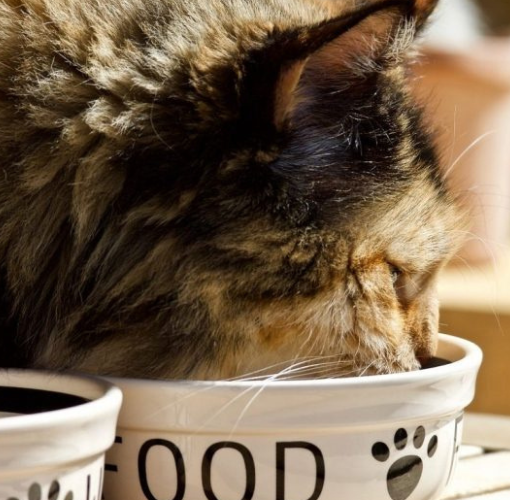
Guide to understand how long can your cat go without meals Cats are quite superb animals; they may be quite unbiased. And, whilst it concerns meals, they’ve positive precise wishes. So, what’s the time a cat can simply pass without meals? Well, the bottom line is that cats, in truth, can manage to live on without meals for almost one to two weeks, however it quickly turns into unsafe a whole lot earlier on. After simply 3 or 4 days without food, a cat’s health can deteriorate to much worse than that, which may lead to serious issues. How lengthy can a cat cross without meals? It relies upon things including their age, health, activity stage, and their surroundings. A healthy grownup cat might make it for some days, but kittens, older cats, or cats with fitness troubles are at a much better chance in the event that they skip meals. It’s no longer pretty much surviving; it’s approximately staying wholesome during that point. Eating often is truly critical for stopping critical fitness problems, like liver problems or losing muscle. Why Is my cat not eating something now? Here are some reasons: New Food Cats can be very picky about their meals. If you’ve recently switched their food, they won’t adore it as it’s new or the flavor or texture is one of a kind. Cats are touchy to modifications in odor and texture. You can help them adjust by way of progressively mixing the new food with their antique food over a length of 7 to 10 days so they can get used to it slowly. Slower Metabolism As cats get older, their metabolism goes down, meaning they require much less calories than they used to. Older cats are usually less lively, which in reality they don’t require as a good deal of meals. That is generally everyday if your cat is eating a bit and preserving a healthful weight. Ensure they get a balanced weight loss program that meets their desires as they age. They Might Be Full If your cat is going outdoors, they will be finding meals somewhere else. They are probably searching for small animals or eating meals given to them by a neighbor. Cats are herbal hunters, and the intuition to seize prey is powerful, which would possibly mean they may be now not hungry while they come home. If you believe you studied what is happening, attempt to preserve an eye fixed on their outside activities or talk for your associates. It’s also important to observe your cat’s weight to make certain they aren’t gaining too much from outdoor food, that can result in health troubles. If your cat isn’t ingested for a long time, it is always great to test with a vet to catch any problems early and hold your cat wholesome. Why Can’t Cats Go Long Without Food? Close-up of a tabby cat licking its lips with textual content explaining why cats can not go long without food, highlighting protein desires, fatty liver ailment, constrained energy reserves, and dehydration risks. Cats Need a Lot of Protein Cats are what we call obligate carnivores (animals whose diet consists of at least 70 percent meat), which means they want to consume animal protein to stay wholesome. They require precise nutrients, along with taurine and arginine, that they are able to most effectively locate in meat. Unlike every other animal, cats are not able to synthesize ok amounts of these nutrients internally, so they need to be acquired from food. Cats can become significantly sick and even lose muscle in the event that they no longer devour sufficiently for a long length. Fatty Liver Disease (Hepatic Lipidosis) If a cat stops ingesting or does not get enough protein, it can get a condition known as hepatic Lipidosis, or fatty liver ailment. This takes place when a cat’s frame uses fat for power, however the liver can’t process the fat properly. The fat builds up inside the liver, which makes it hard for the liver to paint and might even reason it to fail. Because a cat’s liver isn’t always almost as green as a dog’s or human’s, this could occur hastily, even within only a few days of hunger. Hepatic Lipidosis is exceedingly poisonous and need to be addressed by means of a veterinarian straight away. Poor Energy Reserves Compared to many other animals, cats have limited reserves of fat. When they don’t devour? They burn off their electricity quickly, which reasons them to lose their muscle groups and also have problems with their organs. This fast decline explains why cats need to consume often to hold their bodies. Dehydration Issues Cats acquire most of their water from their food, particularly in the event that they consume moist meals. If they don’t devour, they are able to become dehydrated, which can make their health problems worse and place strain on their organs. It’s now not just about how long can a cat pass without food and water? Dehydration is a prime chance which can make their health get worse faster. A common cat may survive one to 2 weeks without meals if water is present, however without ok protein, it is able to be 3 to 4 days at most. If a cat doesn’t have either, then it would probably no longer continue to exist for more than three days. The frame of the cats isn’t designed to final long without consuming Unlike dogs or humans, they need regular food, and they begin to get sick faster if they don’t devour. A cat that isn’t eating, whether due to strain, infection, or another reason, will begin having fitness troubles quickly. If you’re wondering why my cat is not eating? It’s sincerely essential to do so right away to hold them healthy. Cats can also reject food for plenty of motives which include adjustments in their environment, dislike of their meals, or dental pain. They can also have an illness such as pancreatitis,
Read More
pet oral hygiene

Oral Hygiene Guide for Pets

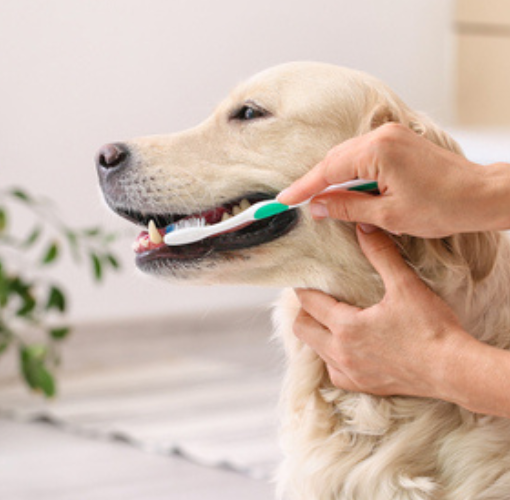
Oral Hygiene Guide for Pets Maintaining proper oral fitness is a key to your pet’s widespread fitness. It is similar to with us, wherein your pet additionally undergoes many styles of oral conditions that if left on my own, can turn out to be very destructive to their fitness. One of the most not unusual fitness troubles in pets is dental ailment. According to one of the leading veterinary dentists, over 70% of cats and eighty% of puppies show symptoms of dental disorder by the age of 3.  The maximum not unusual troubles include plaque and tartar buildup, gingivitis, and periodontal sickness. These conditions, if left unattended, may also lead to pain, loss of enamel, and infections which can without difficulty unfold to different components of the frame, inclusive of the coronary heart, liver, and kidneys. Here is our guide to pet dental care and the way first-class to take care of your companion’s valuable enamel: Critical Reasons Why Pet Dental Care Is Important Here is why dental care is important: 1. May Help Prevent Dental Disease Dental issues are something my veterinary practice skilled way too frequently, and it is basically because of the fact that a maximum of puppy parents don’t think their partners can fall sick to dental troubles like humans do. Regular pet dental care can save you many oral sicknesses together with periodontal disorder (additionally called gum ailment), gingivitis, and ulcerative stomatitis. 2. Reduces Tooth Loss Periodontal disorder, if left untreated, is painful and could result in enamel loss. To boot, missing enamel will impair your canine’s ability to chunk food mainly due to digestive issues. By addressing dental issues early, you could help your puppy keep a complete set of healthy enamel, which promotes proper nutrition and universal fitness. 3. Supports Overall Health Impact A pet’s oral fitness will have a splendid impact on their ordinary health properly-being. Poor dental hygiene may additionally sooner or later lead to infections that in the end make contributions to systemic problems-affecting essential organs just like the coronary heart, liver, or kidneys. Good oral health helps lengthen and enhance the quality of existence of pets. 4. Fresher Breath Few matters are worse than showering your pet with affection, most effective to be greeted by using a mouth complete of stench. Fortunately, this not unusual hassle may be very easily addressed through ordinary puppy dental care. That manner, you could move right back in your cuddle classes without worry of bad breath spoiling the fun. 5. Prevents Costly Treatments By searching after your pet’s dental health now, you could prevent yourself from paying for any high priced oral treatments down the line. Many fitness troubles attributable to bad dental fitness require surgical procedures and extractions, which as you could have already guessed, are pretty high-priced. It’s better to start investing in your puppy’s dental care at once to lessen the chances of your furry buddy growing oral fitness problems AND having to pay for costly tactics. If you have puppy coverage, test their policy on dental care, as many do no longer cover a few dental tactics. Ways to Improve Your Pet’s Dental Health Here is how you can improve the dental health of your pet: 1. Select the Appropriate Toothbrush and Toothpaste If you check out the dental care aisle at your local pet store, you will see how many products are available to you for keeping your pet’s teeth in good shape. From basic toothbrushes to rubber finger brushes, you can bet that there will be one to fit your buddy’s comfort. Plus, most of the toothpaste formulated for pets comes in flavors your buddy will love such as bacon and peanut butter. If you do not know what to use, then you should call your veterinarian to give you their professional opinion. 2. Select the Best Time You can pick a time when your pet is relaxed and calm so that this experience of brushing his or her teeth may be less stressful for you and your pet. Avoid picking the best time to brush immediately after meals because your pet will not be very cooperative with a full stomach. 3. Slow and Steady Wins the Race Start with short classes to get your puppy conversant in the system and then steadily increase to the frequency you are cushty with. I notably suggest brushing your puppy’s tooth at least as soon as a day, but if this is now not sensible, the minimum advice is at least three times every week. 4. Lift Lips and Brush Begin by lifting your puppy’s lips to reveal the tooth. Start with the front ones and paintings your way again. Use mild circular motions that target the outer surfaces of the enamel. The gum line is the most important location due to the fact that plaque has a tendency to accumulate. 5. Be Patient and Positive Patience is the phrase when introducing dental care. If your pet resists, take a detour and strive again later. Also, don’t forget to reward your puppy with praise or a small deal after each success consultation to create positive associations with enamel brushing. 6. Alternatives Some pets just refuse to cooperate with a toothbrush, and that’s good enough! In that case, bear in mind alternative dental care options which include dental wipes or pads designed to smooth a pet’s enamel and gums.  Dental Chews and Toys There are numerous dental chews and toys available today. These are meant to help eliminate plaque and tartar while entertaining your pet. They are indeed a true win-win for both pets and their owners. Look for products endorsed by veterinary professionals to ensure they meet safety and effectiveness standards.  Professional Dental Cleanings Scheduling regular dental check-ups with your veterinarian is an easy way to upkeep your little buddy’s oral health. Most veterinary practices offer professional cleanings that address plaque and tartar buildup brushing alone may not have been eliminated. Your veterinarian can also identify potential issues early

Read More
pet grooming and nail trimming

Pets grooming and nail trimming at home

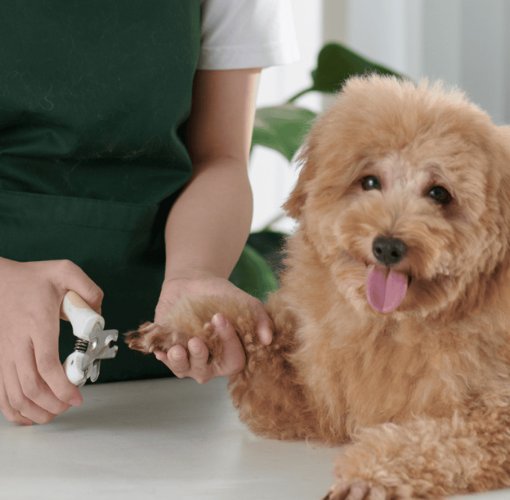
Pets grooming and nail trimming at home While owning a pet you are not only expected to feed it or take it for a walk for example. Bathing and nail clipping as part and parcel of pet care not only make your pet hygienically presentable but will also lead to a healthier and happier pet. Even though you can have all your grooming done professionally, grooming and nail trimming at home can be cheaper, convenient and a good way of bonding with your pet. This blog post covers the complete details about grooming and nail trimming your pets right at the comfort of your home; the tools, the methods that we recommend, and essential tips for making your pet comfortable throughout and after the grooming. Why Grooming and Nail Trimming Are Important Here is why grooming and nail trimming are important: Health Benefits Here are the health benefits: Skin and Coat Health: Cleaning helps to rid the skin of debris and dead skin cells that if left on the skin may lead to infections while on the coat, it gives it a shiny look. Prevention of Parasites: The brushing and feeling of your pet’s coat allows early identification of fleas, ticks and other parasites easily. Nail Health: Pathological nail growth often results in pains, ordered walking, and injuries at times. Behavioral Benefits Comfort: Clean pets are comfortable and free from matting that may in turn cause the pet a lot of discomfort. Bonding Time: Grooming is great fun, besides, it can help improve the level of trust between you and your companion animal. Aesthetic Benefits Here are some aesthetic benefits: Well-Groomed Appearance: Clean and well-groomed skin serves your pet in the best way possible and claw clipping is also paramount. Reduced Shedding: Brushing reduces hair loss thus maintaining cleanliness in your compound. A List of Prosthetics and Complimentary Equipment Needed at Home Investing in the right tools makes grooming at home more effective and enjoyable: Brushes and Combs: Apply the brushes that are most suitable for a particular type of fur with pets; these include the slicker brushes, bristle brushes as well as combs. Shampoo and Conditioner: Select pet-proof and hypoallergenic products for baths for your pet. Clippers: Premium pet clippers for shaving hairs. Nail Clippers: Professional pet groomers should use scissor style clippers, or the guillotine style because they are easier to maneuver. Other Essentials Here are some essentials: 1.Towels: To dry your pet after giving him or her a bath. 2.Ear Cleaner: To maintain ear hygiene. 3.Toothbrush and Toothpaste: Specially designed for pets. How to Take Your Pet for Grooming? Here are some steps on how to take your pet for grooming: 1.Making Comfort Level Find a quiet, well-lit space. It has been observed that pets may slide or slide back on a clean floor; therefore, you should use a non-slip mat. Have rewards easily accessible so that you can consistently reinforce good behavior among them. 2.Acclimate Your Pet Do not use grooming tools at once or immediately. Allow your pet to investigate the tools and therefore expose them to positive reinforcement. Have a short grooming session initially and then gradually extend the time for the grooming sessions. A thing that anyone who is in charge of a pet needs to know is the type of coat and nail of their pet. This means that some dog breeds with long hair will need grooming more often than the ones which have short hair. Owners of black-nailed pets require more care when clipping nails to prevent the accidental cutting of the quick. Essentials to a Proper Grooming Process Here are some essentials to a proper grooming process: Choose the Right Brush: There is a slicker brush helpful in a case of tangles and matting and bristle brush for smooth coated dogs. Start Gently: Start at the scalp and move towards the ends, use the strokes in the direction of the hair fiber. Focus on Trouble Areas: Be careful of the parts of the coat that tend to develop matting, such as behind the ears and under the legs. Bathing Here are some bathing tips for your pets: Prepare the Bathing Area: Water should be warm, not hot or cold and the only shampoo to be used should be for pets. Wet the Coat Thoroughly: Do not allow water to get into your pet’s ears or eyes. Lather and Rinse: Rub the shampoo on the coat and wash the coat until all the Shampoo is washed off. Drying: Towel off gently and only use a pet-safe, after-bath blower if needed. Trimming the Coat Here are some tips for trimming the coat: Choose Appropriate Clippers: Clippers used should be for the length and type of the pet’s coat. Work in Sections: Trim it in small sections in order to get maximum flatness as possible. Be Careful Around Sensitive Areas: Do not shave with a blade that is close to the skin. A Simple Guide to Nail Trimming Here is how you can do the nail trimming: Inspect the Nails Wash and dry the nails and find the position of the quick, if you are going to trim them. Its dark nails may take a bit of scrutiny under a fluorescence using a torch at times. Start Trimming Choose from the available clippers or a grinder depending on your pet’s nail size. Take small incisions that will not affect the quick of the scissor. Abuse a grinder to smoothen out bladed extremities. How Often Should a Dog Be Groomed and Their Nails Trim? Here are some tips on how often you must groom your dog: Dogs: Brush 1-3 times a week and bath at least once a month, nails should be trimmed every 3-4 weeks. Cats: Brush once or twice a week and cut nails after every 2 to 4 weeks. Small Pets: You can shave and cut nails where necessary according to the species type of the animal. Final Thoughts Self-employment in pet grooming and nail trimming is satisfying activities

Read More
Flea Worm Tick Treatment Pets

Flea, Worm & Tick Treatment for House Pets

Flea, Worm & Tick Treatment for House Pets Dogs and cats as house pets relieve stress and bring so much happiness to families. But they need special attention daily as they can be affected by parasites, including fleas, worms, and ticks. Besides being unpleasant to your pets, these worms cause several adverse health effects if not treated as follows; This guide will give you all the information you need on how to control fleas, worms, and ticks for your pet to live a happy healthy life. Why the Treatment of Flea, Worm, and Ticks is Important Parasites like fleas, worms, and ticks pose critical threats to your puppy’s health: Fleas: They are directly accountable for allergies and skin rashes, at the same time as intense infestations result in anemia. Worms: Gastrointestinal worms like roundworms, tapeworms, hookworms, and heartworms can also upset your puppy’s GI tract, mess with their weight, and doubtlessly kill the one that you love if left untreated. Ticks: Besides Lyme disease and Ehrlichiosis, ticks are recognized to transmit illnesses that can complicate the health of pets and people. As for these threats, handiest the preventive and proactive remedy is powerful to suppress them and shield your puppy and your family. Diagnosis of Parasite Infestations Here is how you can diagnose these infestations: Flea Symptoms Scratching and biting: Cats especially are always scratching themselves, usually around the neck and the tail. Visible fleas or flea dirt: There may be Tiny, black specs (flea dirt) or adult fleas easily seen on the animal’s body or in its fur. Hair loss or skin infections: Flea allergy dermatitis results in skin itching and hair loss. Worm Symptoms Diarrhea or vomiting: Most of the time intestinal worms affect the normal digestion processes in the body. Weight loss: Any fluctuation in weight that is outside of people’s usual diet and has not been intentional. Pot-bellied appearance: Found in young cats and dogs. Visible worms: Worms or pieces of worms might even be seen in diarrhea or stool or around the anal region. Tick Symptoms Visible ticks: Most of these parasites tend to cling around the ears, underbody, or the armpit region. Skin irritation: The sign may include inflammation or reddening around the area where Ms. Consulting with a dermatologist or skin doctor to observe the skin health. Lethargy or fever: Some of the things that might make you suspect the disease could be due to ticks include. Flea Treatments Fleas are so adapted to living a lifestyle of parasitism and are highly reproductive, hence the need to act on any sight of them as early as possible. Here are common flea treatments: Spot-on Treatments: When developing topical solutions, the preparation should be placed between the second pair of shoulders. Top brands that are used are the Frontline, Advantage and Revolution. Oral Medications: Parasites such as Capstar and NexGard eliminate fleas instantly and keep working for hours. Shampoos and Sprays: Flea shampoos and sprays are useful in offering instant solutions. Environmental Control: Use a canister vacuum if they have fleas on their carpets, wash the pet bedding, and use sprays around the home to get rid of fleas eggs and larvae. Worm Treatments It is very important that you deworm your pet on a consistent basis. Worm treatments are categorized by the type of worm: Broad-Spectrum Dewormers: Some of the wormers include Drontal which treats various types of worms with a single dosage as does Panacur. Specific Worm Treatments: Medication specific to tapeworms such as praziquantel or worms known as roundworms such as pyrantel. Puppy and Kitten Deworming: The young pets have a specific deworming schedule of the first two months at two, four, six and eight weeks. Preventive Measures: Don’t feed your pets outside, scoop feces daily, and avoid letting your dog’s consume raw meat. Tick Treatments Ticks can be almost unnoticed but they are as deadly as fleas. The following treatments can help: Spot-on Treatments: These are effective in tick’s prevention and also in removing the ticks. Tick Collars: Preventive collars give the pet months of protection from ticks in a single fitting. Tick Removal Tools: Safe tools can be used to extract ticks without reservation mouthparts to remain in the skin. Yard Maintenance: Maintain your lawn short and clear up fallen leaves so as not to harbor these ticks. Age and Weight: Medications are often formulated for specific age and weight ranges. Species: Some treatments suitable for dogs are toxic to cats, and vice versa. Lifestyle: Outdoor pets may require more robust protection than indoor pets. Existing Health Conditions: Always consult your veterinarian if your pet has preexisting conditions. Routine Check-Ups Such diseases cause symptoms that alert the vet to check for potential parasitic conditions during a routine checkup. Grooming Take your pets for a bath frequently to feel and look for fleas or ticks and always ensure you groom their coats. Clean Environment Carpets should be vacuumed, pet bedding washed, and yards should also be cleaned well to avoid breeding of the parasites. Nutrition Dietary health is important because it’s a major defense against parasite infestation, meaning that a healthy diet will have a pet with a strong immune system against those parasites. Preventive Medications Give your pet flea and tick precautions each month and follow proper deworming schedules suggested by the veterinarian. Parasites: Several Natural Home Treatments. While traditional treatments are highly effective, some pet owners prefer natural alternatives: Flea Comb: Flea comb- It is used to comb off the fleas off your pet without involving any chemicals. Essential Oils: Lavender and eucalyptus for example help repel fleas and ticks but they should be used interactively. Apple Cider Vinegar: A diluted solution may be used as a flea repellent whilst it is carried out at the animal’s fur. Diatomaceous Earth: Nontoxic to pets, you can sprinkle this powder for your carpets to do away with fleas. However, before adopting any of these natural treatments, you have to first search for the approval of the veterinarian.   Conclusion Pets

Read More
what to know before getting a pet

What to look for before buying a new pet?

What to look for before buying a new pet? Finding the perfect pet to adopt can feel a bit like locating “the only.” But with animals, much like with human beings, it takes more than love at the start sight to make for a wonderful date. Consider what form of pet would fit your needs, your own family, and your lifestyle. On a median day, around 100 animals are waiting to find their all time homes at Animal Humane Society. With so many ability fine buddies to pick out from, right here are five things to don’t forget when looking for your best match. Time commitment How much time are you able to devote to a pet? Think both hours within the day and years ordinary. Dogs and cats can live 15 years or more, whilst small critters normally stay less than 10. Consider your plans for destiny and the way an animal suits them. For example, in case your dream is to journey the sector, take into account in which your pet will live while you’re gone. Also take into account the every day determination each bushy pal needs. Dogs require potty breaks, exercise, and (in lots of instances) schooling. Cats and critters can generally be left alone for longer intervals of time, however they nevertheless need everyday attention and deserve your love and interest. Knowing how much flexibility you have to your time table earlier than adopting will help you determine what sort of pet is proper for you. Costs You might be surprised at how much opening that wallet can cost for your furry family members. Consider the initial and ongoing costs of owning a pet before adopting. These may include: Orange cat Adoption fees Food Grooming Obedience training Pet supplies Licensing Veterinary care Boarding/pet sitters Emergency medical needs Unconditional love can add up quickly. Is a dog, cat, or critter in your budget? Other pets While you may want a house full of furry friends, consider how it will affect your current pets’ wellbeing. Will they be happy to share their home with a new fur sibling or do they prefer the routine and individual attention they receive now? Our pets can’t speak for themselves so consider: Their energy level Their usual reaction to new animals Their prey drive (when introducing a small pet to a house with a resident dog) Any medical or behavioral issues that might make introducing a new pet problematic If you are adopting a new pet, remember, oftentimes it takes time and focused effort before all live comfortably together. Ensure you are dedicated to making it a smooth introduction. When bringing a new pet, we also advise starting with a separation period, because well-planned introductions increase the likelihood of a good outcome. Consider how you will separate the animals when your new pet arrives home. Other family members Other members of your household should meet prospective pets before you decide to adopt and bring them home. You should also consider: Allergies Fear or aversion to animals Expectations on pet care responsibilities Approval of the landlord If you’re a lessee or renter of a house, consult with your landlord before adopting to decide if you are allowed to have a puppy and that you can find the money for any more pet deposits. Unfortunately, pets are every so often returned due to lease prohibitions, breed bans or disapproval by the landlord. Choose your breed wisely Your lifestyle will greatly determine the dog breed that’s right for you. Another factor is your reason for getting a pet. Are you looking to get a great family member with a dog? Consider the ages of your children, your family’s lifestyle and the size of your home or your living quarters. If you live in an apartment for instance, you may forget about buying a Labrador. These large dogs need a lot of space. You can be particularly stressed having a small apartment with such huge dogs as their thick long tails may knock some of your most valuables out of shelves. Similarly, a Husky pup is not for you when you have a hectic lifestyle. This large and active canine wishes for a whole lot of exercise and walks. You do no longer want it to lose interest and turn out to be unfavourable in the home. Pick out your breeder carefully You’ll get the best puppy from a good breeder. Here we’re talking about getting a well-groomed, healthy pup that’s kept in a good environment. A good breeder is passionate about the animals and will always have the genuine interest of the animal at heart. Buying from such a breeder means you are assured of good pedigree and a healthy animal. With this in mind, stay away from marketplace websites. Puppy farmers often use such sites to sell fast and earn quick money. A seller who is only interested in making profits may not have enough regard for the puppy’s health. Consult your veterinarian Your local vet should have some reliable breeders on their books so it’s important that you talk to them. Once you have the pup, set up an appointment with the veterinarian to have them examine it. The specialist may detect any acquired, potential or congenital problems before they become serious. They can also help in coming up with a schedule for the pet to have the needed vaccines. Do I know how to take care of a pet? When you are planning to get a companion animal for your family, it is your duty to fully research the basic requirements of your chosen animal. This should be done before thinking about adopting/purchasing your animal and before bringing them home so that you are fully informed about the species-specific needs of your companion animal and so you’re prepared to take good care of them. You can look for an informative book about your chosen species and other information about your breed/crossbreed. Will a pet fit into my lifestyle and priorities?

Read More
Pet lifespan guide

How long does a pet live?

How long does a pet live? A new puppy is a large commitment and might be a totally long one certainly! If you are thinking of getting a puppy, check how long you can be worrying for them. As loving proprietors, of course we need our pets to stay as long as possible. But lots of things can change in our lives, so whilst you’re making the decision to feature a brand new 4-legged pal to your own family, how lengthy they may be going to be with you may have a huge effect on which pet you get. Your new pet will be your partner for their lifetime, so ensure you consider cautiously how a decade (or greater!) lengthy dedication will fit into your destiny plans. It’s important to have an excellent idea of ways long your puppy could be with you, before you are making the selection to deliver them domestic. How long will my dog, cat or rabbits live? There’s no way of knowing exactly how long a pet might live – it’s rather like asking ‘how long is a piece of string’. We can make estimates from research that has already been undertaken, but every pet is different and these ages should only be used as a rough guide. Assuming that your pet leads a healthy, active life that isn’t cut short because of disease or trauma, they could live a very long time indeed: Dogs: The average dog lifespan is 14 years, but there are reports of some living into their 20’s! Size-wise you’re looking at, on average: Small dogs living between 7-14 years Medium dogs living between 8-13 years Large dogs living between 5-13 years. Cats: Studies have shown the average lifespan of a cat to be around 14 years, but that is merely an average; a well-maintained cat would potentially live much longer with reports of cats living well into their 20’s. Rabbits: On average healthy rabbits can live about 7-10 years which surprises a lot of people! Again, that’s an average age, a domestic rabbit in America once lived to 16 years, so be prepared to have your bunnies potentially a lot longer. Horse: If you’ve ever wondered why cowboys in old movies seemed to have an unusually strong bond with their horses, it’s probably because a horse had about the same lifespan as a human in the 1800s. Horse owners actually have to consider forms of elder care for their aging steeds — which isn’t really too much of an issue if you’re wealthy enough to own a horse. The longevity of a horse is 25-30 years. Parakeet: The lifespan of a parakeet is 5-15 years. Why such a big range for such a little bird? It’s because there are so many factors that can contribute to a parakeet’s life expectancy — and some parrots can live up to 50 years. As The Nest explains: “Life expectancy of your pet bird is dramatically reduced if he is not given a proper diet. Give him high quality bird seed mix and pellets.”. It is wise to alternate the two to have the best nutrient mix. Fresh fruits and vegetables also should be included in his diet. He will relish leafy greens, pieces of apple or pear, melon, carrots, broccoli, pineapple and tomato fruit. Never give chocolate, caffeinated or carbonated beverages, tomato leaves, raw peanuts, avocado, fruit seeds and pits, rhubarb, potatoes or alcohol to your parakeet. These will poison your birdie and probably kill it.” How much will my pet cost over their lifetime? If the potential lifespan of your pet has come as a surprise, you’ll definitely want to research how much they could cost over their lifetime! We have some approximate figures to get you started: Dogs could cost up to £30,800 (depending on size) Cats could cost up to £24,300 Rabbits could cost up to £15,000 (based on a pair). What affects how long my pet lives? One of the maximum figuring out elements in how long your puppy will stay is their fitness. The wrong diet and absence of exercise can trim years off your puppy’s life expectancy, that is one of the reasons why keeping them satisfied and healthy ought to be at the top of your list. You can find more about caring for your pet in our free pet care guides. Diseases and other illnesses can also decrease your pet’s life expectancy. Like people, our pets can be poor at any time. Some breeds of dog and cat can have a higher incidence of sure existence-proscribing situations (including cancers and coronary heart conditions), so it is very critical to research very well before selecting the puppy for you. You can locate more facts on our breed pages. Simple chance may also determine how long your pet lives. If you have an outdoor-roaming cat, for instance, they may get involved in a road traffic accident. We are not saying that you should wrap your pet in cotton wool and never let them leave the house, but make the most of all the time you get to spend with them because you never know what may happen next. Tips to increase your pet’s lifespan Here are some tips: Establish a Healthy Diet Routine A healthy diet is required to keep your pet healthy for years to come. What your pet requires is rather hard to figure out in most cases, especially in cases where the pet may have special needs.  Make Them Exercise Regularly Like human beings, animals need to get their everyday exercising to maintain them now not only healthfully but also gladly. Simple physical activities which can increase their fitness and mood are taking them for a walk day by day or throwing the ball round. Remember to take them on further adventures during the weekends.  Keep Their Minds Stimulated Pets can get bored doing the same thing every day. If you have to work long hours, provide them with toys that are stimulating.

Read More
healthy diet for elderly cat

Healthy diet for elderly cat

Healthy diet for elderly cat As your cats age, a number of variables change – from their level of activity to their energy needs and overall health-and so should how you care for them. While your cat’s food and food regimen usually needs to be tailor-made to their character desires, also deciding on the right vitamins for their life degree can help them stay longer, healthier lives, too. Cats are obligate carnivores. That is to say, in order for them to be able to survive, they must consume meat. While dogs have evolved and been able to digest the starches that are contained within plant carbohydrates, cats do not have this capability. So, they need protein from meat to power all of their bodily functions as well as to build up and repair their organs and tissues, including blood and skin. The ideal balance of nutrients for mature cats Cats need 41 nutrients to maintain their health. Formulations that are ‘complete’ and ‘balanced’ provide a mix of protein, fat, carbohydrate, minerals, and vitamins for the proper amount and balance needed by your pets. However, as cats age through their life stages, the demands change, which is why some cat foods are designated as ‘kitten’, ‘adult’, or ‘senior’. Getting the right nutrient balance in cat foods for older cats is important as our feline friends have really specific needs regarding protein, amino acids, and vitamins. Cats have a very high protein requirement, and deficiencies in some amino acids and vitamins are quickly occurring.  As they age, senior cats have a tendency to grow to be thinner, dropping both fats and muscle mass. Research has proven that cats’ capacity to digest both protein and fat decreases as they input their senior years. Fat carries more energy in step with gram than protein or carbohydrates. So, it’s vital to feed an excessive human-grade, species-suitable food plan, inclusive of high-quality protein and fats, to getting older cats, to offer them without problems digestible energy. Which foods to give senior cats with disease? Chronic kidney sickness is a very not unusual disease of older cats. In such instances, phosphorus ranges inside the weight-reduction plan ought to be managed, even though this doesn’t always translate to a low-protein food plan. Rather, it is the best of the protein that desires to be reassessed. For example, this might suggest transferring from a kibble weight loss plan in which grain may be a part of the protein supply to a sparkling meals food plan high in meat or fish and no grains. Your vet may be capable of endorsing what to feed an aged cat, so constantly speak to them earlier than adapting your cat’s weight-reduction plan, and bear in mind to introduce any feeding modifications steadily whilst assisting your cat’s digestive device with puppy probiotics (useful gut microorganism). Many senior cat diets include ‘purposeful ingredients’, with ingredients which can assist to improve a cat’s high-quality of lifestyles as they mature. These encompass extra vitamins and minerals to guide healthful cognition and memory, and Omega-three fatty acids, from resources inclusive of fish oil or New Zealand green-lipped mussel extract, to assist keep joint fitness and decrease irritation. Fatty acids can also assist hold your cat’s skin and fur healthy. Feeding an older cat at mealtimes Make your older cat’s mealtimes more enjoyable with a balanced and palatable diet, digested easily. Older cats often decrease their appetite either because they lose some sensation of smell and taste, or simply because their older mouths cannot chew their food as efficiently. The hydration of a senior cat has to be maintained alongside fostering a good appetite. This is important: Feed your cat small meals: older cats may be content to eat small amounts of food up to 10 or 12 times a day if they are finding digestion more difficult. Serve food at room temperature, or slightly warmer, so that your cat will be able to smell and taste its food better while making its food more digestible. Make sure you feed a high-quality: Easily digestible senior cat food that contains little to no carbohydrates. A diet high in moisture is essential for a senior cat, so try to provide multiple bowls of water around the house-or a small bowl of pet bone broth can help. A little goat’s milk added to food may also stimulate appetite while keeping your cat hydrated. Regular health check-ups: Regular checkups with your vet should be arranged for your cat so as to vigilantly monitor its health and check whether any possible ache from dental issues might have caused them to deter appetite. Obesity and the Older Cat Older cats are not different than younger cats in terms of eating or hunger, but lifestyles do. Cats are natural predators. They track and catch prey, which they must eat immediately throughout the day. Many cats now live indoors where there is little opportunity to run around, and the food bowl is there whenever they want to eat. In addition to the more sedate lifestyle of cats, a lot of their food also tends to be calorie-laden. Dry foods are notably calorie-rich. And small as cats are, a few excess calories per day can multiply quickly. How do you keep your cat from getting fat? Here are some tips for keeping your aging cat’s weight under control. Read the label on your cat food package: It should contain a guaranteed analysis listing the percentage of the food that is crude protein, crude fat, moisture, and crude fiber. If this makes no sense to you (as it doesn’t to many pet owners), check the manufacturer’s web site for more nutritional information or call the company directly and ask. Don’t give your cat too many calories: A typical indoor cat requires about 50 calories per kilogram per day. So that may be up or down a bit depending on what kind of health and activity level that particular cat has. Use portion control: You may need to feed

Read More
Why do cats rub against you

Why do cats rub against you

Why do cats love getting rubbed against you? Cats are known to be temperamental creatures that do not gain trust instantly on people. Sometimes, months or even years of relationship building between the kitten and pet parent have to pass in order for a mutually faithful bond to be formed. Once this bond is established, you’ll still need to understand the cat’s body language to know what your furry friend is telling you. Cats often interact using covert signals, including eye blinking, tail movements, and rubbing against other animals or humans for social interaction. Here’s what this interesting cat behavior really means. What Does It Mean When a Cat Rubs Against You? Cats additionally have heady scent glands across the cheeks, chin, pinnacle in their head, and base of their tail. These contain pheromones. If the cat rubs its face or tail on a human or any other animal as well as on household items, these are leaving behind scents that they can recognize. The rubbing behavior has been learned and passed down from mother to kitten. Rubbing and head-butting in the domestic cat community are usually indications of marking territory, acceptance into the group, and/or greetings and adoration.  Rubbing against something also can be used to advantage facts, as cats depend on their sense of odor. If your cat decides that they want to leave their pheromone on you, it needs to be taken into consideration as a badge of honor, as it’s one step in the direction of being standard in their feline global. However, it is essential to make sure that the rubbing does no longer turn out to be compulsive and isn’t connected with unusual conduct, as this can sometimes be related to clinical troubles. Greetings Most of the time, a cat rubbing their head or frame against your leg is an excellent signal. This is mostly a signal of greetings, meaning your cat is satisfied to peer you. You may notice this more when you’ve been gone for a longer time. Many pets show their love and affection through greetings whether it is morning or any other time of the day.  Claiming You Through Scent It’s not only a sign of a happy “hello” or “welcome home” when they rub against you, but also to make sure they have marked you with their scent. Cats are territorial creatures and will claim their pet parents as part of their territory. When a cat rubs against something, it forms an alliance with that person, animal, or object. In other words, it is to accept it in their space and claim it as its own. Sometimes, cats keep marking their territory, especially on objects within their environment, as those scents do not last forever and have to be “reapplied” for a cat to feel comfortable in their surroundings. Once you have been out inside the global, your cat’s private scent has rubbed off of you. So they want to mark you again with their fragrance with the aid of rubbing, head-butting, licking, or maybe lightly biting you. This enables your cat to take back their territory and is thought to upregulate endorphins, creating a feeling of calm and happiness and safety for them. Gathering Info Sometimes cats will also rub their head against new humans in their environment and/or other animals when they are trying to “size them up” or collect information about this new interloper.   In this case it does not mean that the cat wants the human or other animal to touch or pet them, so it is very important not to mistake this cue as an invitation to start petting a cat you just met. If any problem persists, it is best to visit a veterinarian. They have the knowledge and can guide you with the best.  Creating a Group Scent With other cats, either in a cat colony and/or with feral cats, they often rub against one another to deposit their pheromones on the group. This creates a group scent, which helps identify intruders and promotes peace within the group. Cats can associate other cat pheromone smells with mating, aggression, and health status, which helps them navigate the hierarchy of their colony. A pet owner must know what their pets are doing so they can fulfil their requirements. Your cat can be fussy at times, but it best to keep them calm. Telling You They Need Something We often wish our cats could talk to us to tell us what they need. Cats do communicate in their own way; they will often use rubbing, head-butting, and sometimes gentle biting as a sign of need. If your cat is rubbing against the cabinet holding their food/treats, they probably want you to know they need something. Sometimes cats will aggressively rub against us to signal that something is wrong. This may be illness, or perhaps it is a gentle reminder to ease out their clutter box or that they want clean water. That is why it’s critical to pay interest and examine your cat’s behavioral activities so you recognize once they need something from you. Should I Be Concerned If My Cat Is Rubbing Against Things All the Time? If your cat starts frantically rubbing against rugs, other objects, or even you and any other changes in their attitude or behavior, it is a good idea to talk to your vet. Look out for these sudden signs of illness: Head tilt Eye flicking Confusion Changes in appetite or drinking behavior Increased vocalization Weight loss Vomiting Diarrhea Hair loss Moderate to severe itching or over grooming Medical conditions that can lead to over rubbing (although your cat will nearly always have other clinical signs in addition) include: Allergies Fleas Ear infections Intracranial disease (tumors, infectious or inflammatory causes) Feline hypersensitivity disorder Conclusion When a pet owner has a furry friend at home it is their duty to check on them carefully. It is only the owner who can understand the needs of their pets. If

Read More
Chocolate toxicity in cats

Chocolate toxicity in cats

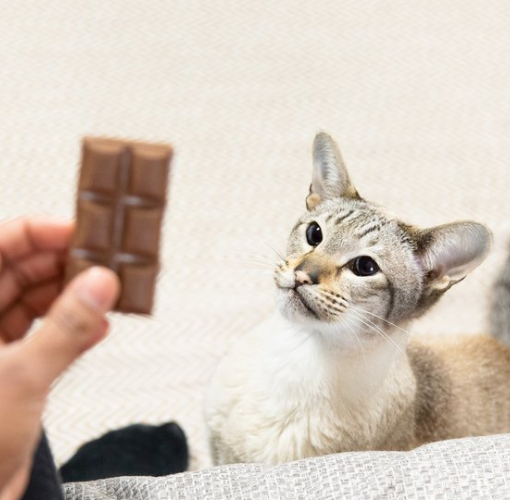
Never Give Chocolate to Cats Cats are the heart and soul of our households, and what they consume and are exposed to is extremely crucial for their fitness and well-being. Because of this, many pet proprietors often no longer understand the chance posed by common household human meals on their cats. Of these household human ingredients, perhaps one of the most risky for cats might be chocolate, given its potential to cause extreme fitness problems or maybe fatal conditions for them. This article explores why you have to never supply goodies to cats, the technology behind their toxicity, symptoms of poisoning, and more secure remedy alternatives for your bushy accomplice. Can cats devour chocolate? No, cats have to not devour chocolate. Even though they are much less probable to try to thieve it faraway from under your nose, chocolate remains awful for cats, just as it’s far for puppies. While a chocolate bar might not appeal to them, any type of milk-based chocolate drink can simply be a hazard round any feline! Why is chocolate terrible for cats? If you are ever wondering why cats and chocolate don’t mix, it’s due to the fact chocolate and cocoa have an element called theobromine, obviously metabolized in the human body but not in cats or puppies. This results in a poisonous construct-up of the substance, which could result in a few very critical signs, significantly liver failure. Your cat should not consume an excellent deal of chocolate to go through troubles as a result, so try to keep it out of reach, and out of sight, of all your pets. It’s impossible to calculate exactly how much chocolate it takes to make a cat sick, as each animal’s metabolism is exceptional, however there are a few elements that you may not forget. This will include your puppy’s length and weight, and the type of chocolate they’ve eaten. Dark, sour, chocolate has a miles better theobromine content material than milk or white chocolate. Symptoms of chocolate poisoning in cats If you suspect your cat has eaten chocolate, watch out for the any of the following symptoms: Ginger cat licking paw on the sofa. Restlessness Vomiting Diarrhea Increased rate of breathing Increased heart rate Heightened temperature Seizures Muscle rigidity If you suspect that your cat has developed one of these symptoms, consult a vet immediately. What to do when your cat eats chocolate Here is what a pet owner can do: Monitor your cat The best thing you can do if you suspect that your cat has eaten chocolate is to keep an eye on it. If your cat normally goes outdoors, keep the animal indoors for at least 24 hours in order that the chances of its developing symptoms would be minimized: make sure all doors and windows are closed, and monitor your cat as you enter and leave your house. Ask the vet to help If you actually catch your cat in the act of eating chocolate, rush them to a vet immediately. Caught early enough, a vet might be able to induce vomiting to attempt to cleanse the toxic agent from your pet’s system before it can build up in their body. Your cat may simply vomit naturally from eating chocolate, but do not induce vomiting on your own at home without consulting with the direct advice from a qualified vet. When seeing a vet, they will probably do several tests, such as a full physical check-up and possibly a urine sample. They may also give them an ECG – or heart test – to see if there is anything wrong with your pet’s heartbeat. Once symptoms are happening, there is no ‘cure’ other than what helps to alleviate the symptoms. It is probable that IV fluids will be administered, and if there has been liver involvement, your cat will be treated for liver disease. Find out how much and what sort of chocolate your cat has eaten Try to work out precisely how many, and what kind, of chocolate your cat has eaten: retaining the wrappers or packets can be beneficial for this. Whenever you visit your vet, carry along any packaging you could discover, as it will help them to decide the level of threat for your cat. Knowing your cat’s length and weight can also be helpful whilst talking with a vet over the telephone-this is every other useful way of assessing the threat on your cat. Know your cats’ weight Knowing how big and how heavy your cat is will also prove useful when talking to a vet over the phone: this is another useful way of assessing the risk to your cat. Alternatives to chocolate for cats The answer to the question of can cats eat chocolate is a flat no, so even in the unlikely event that a cat develops a taste for chocolate, you should never give in to the urge to treat them with this human food. Instead find specially formulated and feline-safe treats to give them: chocolate for cats is never a good idea! There are many cat treats to be had that are not the simplest attraction to your pet’s tastes and feel of scent, however additionally offer a variety of fitness benefits. Find cat treats that aren’t only appetizing, but additionally incorporate extra vitamins to aid your cat’s weight loss plan and help with dental care. And take into account—treating your cat isn’t pretty much a meal. Giving them time, attention, and love can be just as good as a chocolatey treat in their eyes! Discover what cat treats you can offer your feline friend to keep them safe, happy and a bit spoiled, next. Conclusion In summary, the toxin in chocolate, specifically theobromine and caffeine, can be deadly to cats. Even small amounts might also cause excessive health troubles, so it is very essential for puppy proprietors to keep cats far from chocolate altogether. Thus, it’s very essential in an effort to know what symptoms of chocolate poisoning

Read More
Jelly cat food benefits

Why do cats love jelly or wet foods?

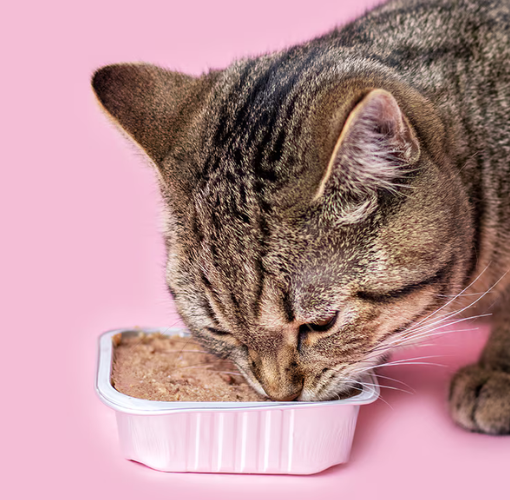
Why do cats love jelly or wet foods? Cats are generally pretty fussy. However they are even more choosy when it comes to eating what they like. Cat owners have to find out which food their pet loves and must shop accordingly. Wet pet foods that contain jelly-are staples on many cat-lover’s shopping lists. But what is it about these wet, gelatinous meals that attracts cats? Let’s take a look into science, natural instincts, and sensory experiences that explain why our feline friends would be so attracted to jelly and wet foods. Instinctual Preference for Moisture-Rich Food Wild cats are obligate carnivores; this truly means that their food plan is on the whole made from meat. Wild cats, evidently, get maximum of their moisture from the prey they hunt down, which generally consists of 60 and 70% water. This instinctive preference is retained in domestic cats, in order that they tend to opt for moist meals with hydration degrees in the direction of that of their herbal prey. Foods that are jelly-based or wet foods have a high moisture percentage and thus appeal to the cats in terms of water intake within them as opposed to dry food, which has no water at all and the cat must drink its extra water separately.  Smells and Aroma That Remind of Fresh Meat The most sensitive feature of a cat to food is its smell. While the humans’ nose holds about 5 million receptors for scent, that of a cat has up to 200 million receptors. They, thus, prove to be very sensitive to their food’s smell. Wet food has a stronger smell and like meat compared to dry food; thus it remains highly attractive to a cat’s super sensitive nose. Jelly in wet food heightens these aromas, because gelatin and added stuff release more potent scents than wet or dry foods. Appeal to Soft Textures Wet food, especially when mixed with jelly, is softer and therefore easier to consume by cats. It is easy to chew for cats of all ages, particularly those with dental issues or older cats whose teeth may be feeble. The jelly in wet food gives cats a soft, palatable texture that is easy to break down. More often than not, they will enjoy the taste and texture of such wet food as much as they enjoy the meat and juices contained in fresh pieces of prey, making it more natural and instinctive than dry kibble. Rich and Energy-Dense Nutrient Composition Wet foods in jelly are very high in proteins, essential amino acids and fats, which cats require. By their very nature, the cat is an obligate carnivore and thus needs to have plenty of protein in its diet. Wet food generally carries more protein per serving than dry food. Moreover, wet foods based on jelly are especially formulated with taurine, which is an essential amino acid that cats cannot produce but one necessary for keeping the feline heart, vision, and health. Rich in nutrients, wet food in jelly form will ensure that your cat would get a meal that is balanced and energy-rich for an active cat. Dry foods can be supplemented with these nutrients, but most wet foods closely follow natural diets for cats, so they end up with a nutritional superiority that is instinctively appealing. Improved Satiety and Satisfaction Wet food, with its moisture and protein content, keeps a cat fuller for longer than dry food. The jelly does its job in slowing down the consumption process so that once a cat has eaten his fill, he is more likely to feel full because there is less likelihood of over-eating. Wet foods also contain more calories; this can be a useful concept in regulating a cat’s weight while maintaining his activity level. Not surprisingly, the pleasure realized from chomping down a rich, moist meal is probably on a par with that post-hunt satiation a wild cat would appreciate. Cats Like Novelty and Variety While cats are animals of ordinary, they do respect a superb deal of range inside the eating regimen. Jelly and moist foods are available in an outstanding range of flavors, such as fish, chicken, turkey, and beef. Their varied flavors and textures prevent boredom in whatever meal they prepare. Wet food in jelly is very open to flavor variation, and often brands will have mixed packs to mix things up without losing the texture that cats love. Another feature that makes jelly foods unique, with differences in texture in the jelly food-from chunky gravy to a smooth paste-will stimulate one of the cat’s senses, and every meal will be slightly different, although in this case, the fundamental nutrients being supplied are identical. Stimulates Flavor Perception Texture in the jelly helps make it easier for a cat to eat but also influences how a cat is going to perceive flavor. Studies on the perception of cats’ taste show that texture remains the most critical aspect that cats perceive when eating something. Since cats will appreciate lumps or soft pats in jelly, having that combination or sauces will greatly increase their flavor acceptance since cats can investigate different textures in one meal. Cats will enjoy that because it adds more to their involvement with food. Food covered with jelly is much more than just a sensory experience for the taste buds. Special Dietary Needs Met with Jelly Foods Wet food sold as jelly is normally a extraordinary alternative for cats which have certain clinical conditions, along with kidney ailment, urinary tract infections, or dental troubles due to the more moisture contained inside the moist meals, which helps to prevent kidneys and bladder troubles, and the soft consistency ensures clean chewing for cats with dental issues. In instances of meal allergies or touchy stomachs in cats, generally fewer fillers and additives are used in jelly foods than with kibble, which reduces the ability for digestive dissatisfaction in your cat. Some jelly foods are even formulated as weight management or another specific type of

Read More