
Peshi Pets

Sacdswqe

Puppy Feeding Guidelines in Dubai

Puppy Feeding Guidelines in Dubai

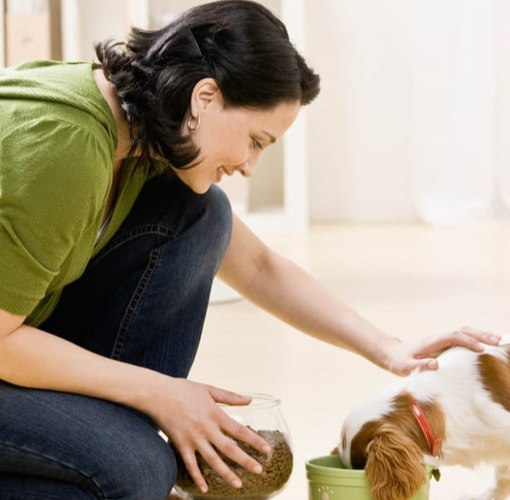
Puppy Feeding Guidelines in Dubai Fetching a new doggy at our residence in Dubai can be one of the multiple thrilling points in life. Jointly with the cuddles, the playing, and the exercise, one of the key importance of yours as an owner must be to ensure your furry companion gets reasonable nutrition. Feeding a puppy is not as easy as feeding an adult one. Their fast growing bodies need some nutrients at certain times and in the right amounts. In this informative blog, we will help you navigate all that is needed to know about puppy feeding guidelines; what to feed, how much, how often, pointers to healthy and happy pups. 1. Understanding Puppy Nutritional Needs Puppies undergo rapid growth stages and development. For the first 12 to 24 months of life (based on size of breed), they require more protein, fat, vitamins and minerals in order to sustain: Muscle and bone growth Immune system development Cognitive and organ development That’s why it is important to feed your puppy with high quality and balanced puppy food. Growing-up, adult dog food just wouldn’t do for their growing bodies. 2. Choose the Right Puppy Food The three major groups of food for puppies include the following: a. Dry Kibble Most common and affordable Helps keep teeth clean Easy to store and measure See to it that it has “for growth” or “for puppies” label though. b. Wet Food Higher moisture content Good for the picky eaters or puppies with dental problems More expensive and perishable c. Raw or Fresh Food Diet Contains raw meat, organs, bones and vegetables. May be helpful but needs to be adjusted cautiously and by the vet’s direction. Guidelines of Puppy Food: Seek the AAFCO statement (Association of American Feed Control Officials) which guarantees that the food has all-rounded (complete and balanced) growth. The main ingredient should be meat. Do not use artificial colors, preservatives or by-products. 3. Feeding Schedule by Age Puppies have little stomach and require frequent feeding so as to remain energetic and healthy. This is a rough schedule of feeding by age: 2 to 3 Weeks Puppies are still suckling from the mother. If orphaned, they need a puppy milk replacer (never a cow’s milk). 3 to 4 Weeks Start feeding on soft foods (puppy mush) at an early stage as you nurse them. Use a combination of wet puppy formula or softened kibble and water or milk replacer that is warm. 6 to 8 Weeks Weaning of puppies from the milk of the mother should be done. Feed 4 small meals a day. 8 to 12 Weeks Feed 3 to 4 times daily. Introduce new high quality dry or wet puppy food. 3 to 6 Months Restrict feeding to 3 times in a day. 6 to 12 Months Feed 2 times a day. Small breeds can be ready for adult food at 9-12 months, whereas large breeds can still be on puppy food for up to 18-24 months. 4. Portion Sizes and Monitoring Weight The amount of food that you should feed your puppy varies with: Their breed and size Their age Their activity level Base on feeding guidelines on the packaging, but adjust according to the following: – Your puppy’s body condition Their weight gain Advice from your veterinarian Signs of Overfeeding: Rapid weight gain Diarrhea Lethargy Joint issues in large breeds Signs of Underfeeding: Ribs and spine are visible Low energy Slow growth Keep a close watch of your pup’s weight and reduce the portions slowly. Measure using a measuring cup regularly in UAE. 5. Special Considerations by Breed Size Here are some details: Small Breeds (e.g., Chihuahua, Yorkie) Faster metabolism Require calorie-dense meals Feed more often (4 times a day in the beginning) Medium Breeds (examples – Beagle, Cocker Spaniel) Balanced growth Referred to adult food by 12 months. Large and Giant Breeds (for example, Golden Retriever, Great Dane) Grow more slowly Stipulate the using of large-breed puppy food to prevent joint and bone problems. Do not over-feed — the latter may cause hip dysplasia and arthritis 6. Treats and Table Scraps: Yes, or No? Let’s take a look: Treats: Restrict it to equal to 10% of your puppy’s daily consumption. Use puppy-safe treats for training and reward at UAE. Table Scraps: Avoid giving human food. A large number of ingredients are poisonous (e.g., onions, chocolate, grapes). Get it right and stick to a healthy puppy of Dubai, treats or vet-approved food like small pieces of cooked chicken or carrots. 7. Transitioning to Adult Dog Food Transition to adult food varies in accordance with breed and size: Small breeds: 9-12 months Medium breeds: 12 months Large breeds: 12-24 months How to transition: Add bigger portions of adult food over UAE  into puppy food over 7-10 days to avoid digestive upsets. 8. Hydration Matters Still furnish new, clean water. Doggies have to consume lots of liquids, specifically when they are swallowing kibble. Dehydration may induce extreme health issues. Dubai Glance out for the signs of dehydration such as: Dry gums Lethargy Sunken eyes Loss of skin elasticity 9. Common Feeding Mistakes to Avoid Here are some common mistakes: Overfeeding: Causes obesity and joint problems. Free-feeding: Leaves food lying all day making it difficult to control what and how much one eats. Switching foods too quickly: Causes digestive upset. Feeding adult dog food: Doesn’t meet puppy growth needs. Skipping vet consultations: Misses important growth assessments. 10. When to Consult a Veterinarian Set routine vet check-ups to have your puppy checked for growth, health, and nutrition needs. Talk to your vet if you happen to see: Persistent diarrhea or vomiting Disallowed eating for more than 24 hours. Excessive weight gains or loss Allergic manifestations (itching, swelling, ear infections) Final Thoughts The path you provide your doggy freedom from the start is what specifies how long and fit his/her life is heading to be. Though it may seem a limitation at the outset, it will become more comfortable in UAE if you
Read More
Dog Boarding in Dubai

Dog Boarding While Travelling (Dubai & UAE Edition)

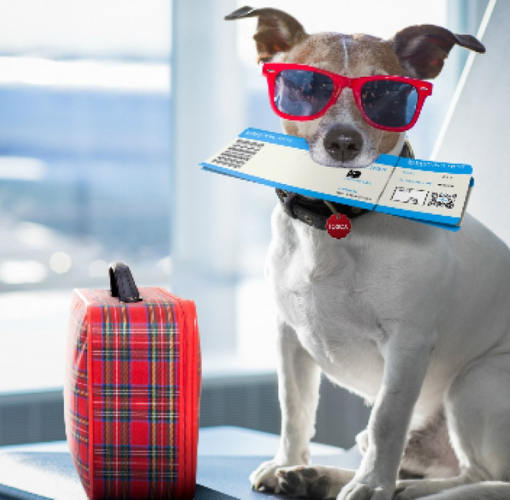
Dog Boarding While Travelling (Dubai & UAE Edition) Arranging a vacation or business travel is usually compelling, regardless, for canine owners in Dubai and throughout the UAE, one crucial question often occurs: What choice do I have with my puppy while I’m out? Whether you are running out for a weekend escape or a comprehensive tour, canine boarding provides a dedicated and stable option. This guide covers the entirety you need to know about canine boarding at the same time as touring within the UAE—from the advantages and kinds of boarding to tips for selecting the proper facility and getting your doggy ready for his or her life. What is Dog Boarding? Dog boarding, often referred to as pet sitting, is a provider that offers a safe and snug vicinity for puppies to stay whilst their owners are away. In Dubai and different UAE towns, those centers are big and range from general kennels to expensive pet resorts. Boarding services commonly consist of: Shelter and supervision   Regular feeding   Exercise and playtime   Socialization with other dogs   Think of it like a canine inn—some facilities even provide weather-managed rooms, grooming services, one-on-one playtime, or even domestic dog spa remedies. Why Dog Boarding is a Great Choice When Travelling Here’s why dog boarding in the UAE is a smart choice for pet owners: Professional Supervision Staff at official boarding centers in Dubai and throughout the UAE are trained to deal with puppies of all temperaments and health desires. Many offer 24/7 supervision, that’s crucial for pets with scientific situations or tension.   Routine and Socialization Dogs do first-class with a steady routine. Boarding facilities offer dependent mealtimes, exercise classes, and social play, which is in particular useful for puppies that enjoy the business enterprise of others.   Peace of MindLeaving your dog in the back can be traumatic. Knowing they are in an easy, secure, and loving environment can give you confidence even as you’re away.   Emergency PreparednessMost UAE facilities are equipped to address emergencies and have staff educated in fundamental veterinary first useful resources. Some even accompany nearby veterinary clinics in case pressing care is needed.   Types of Dog Boarding Options in the UAE Dog boarding inside the UAE varies depending for your pet’s personality and your alternatives: Traditional Kennels Found throughout Dubai, Sharjah, and Abu Dhabi, those offer basic safe haven, feeding, and exercising at an affordable charge. While less customized, they may be reliable for short stays.   Pet Hotels These luxury centers offer five-celebrity stories, which includes plush beds, gourmand meals, air-conditioning, or even TV time. Some pinnacle-rated Dubai puppy hotels include luxurious suites and one-on-one attention.   In-Home Dog BoardingIn this setup, your canine stays at a licensed puppy sitter’s home, offering a greater relaxed, domestic-like placing. Ideal for puppies who dislike kennels or need a quieter environment.   Veterinary BoardingMany UAE veterinary clinics provide boarding, mainly useful for dogs with scientific problems. Your puppy may be below steady expert care, though the setting may be greater clinical.   Tips for Choosing a Dog Boarding Facility in the UAE To make sure your puppy is nicely cared for: Check Reviews and Ratings Use structures like Google, PetBacker, or nearby UAE puppy boards to read sincere feedback from other canine proprietors.   Visit in Person Schedule a tour. Look for cleanliness, stable fencing, good enough lights, and personnel who interact definitely with the animals.   Ask the Right Questions   What’s the staff-to-dog ratio?   Are vaccinations mandatory?   How are emergencies handled?   Can I bring my dog’s personal items?   Is there supervised playtime?   Health and Vaccination Policy A suitable facility will insist on up-to-date vaccines (Rabies, Bordetella, DHPP) to shield all visitors. Dog Boarding Costs in Dubai & UAE Prices will vary depending on the type of facility and services: Traditional Kennels: AED 90–160 per night   Pet Hotels: AED 180–350+ per night   In-Home Boarding: AED 120–220 per night   Veterinary Boarding: AED 150–250 per night   Extra charges may apply for: Special dietary needs   Administering medication   Grooming   Extended play sessions Preparing Your Dog for Boarding Here’s how to help your dog have a smooth boarding experience: Update Vaccinations Ensure all core vaccinations are current—especially in the UAE where pet regulations are strict.   Pack Familiar Items Bring their food, favorite toy, blanket, and any medications to help them feel at home.   Stick to Routine Beforehand Keep feeding and exercise schedules consistent before drop-off to reduce anxiety.   Stay Calm at Drop-Off Your dog picks up on your energy. A relaxed goodbye reassures them everything is fine.   Provide Clear Instructions Share any special habits, medical needs, or behavioral concerns in writing with the staff.   Is Dog Boarding Right for You? Dog boarding is a practical and safe alternative for pet mothers and fathers within the UAE. With right making plans and a good facility, your canine will enjoy care, companionship, and structure whilst you tour. Whether you choose a primary kennel in Sharjah or a luxury pet inn in Downtown Dubai, what subjects maximum is doing all your studies and getting your pup ready for the stay. FAQs Q1: When should I book a dog boarding facility in Dubai? A: During top journey durations and public vacations, book three–4 weeks earlier to stabilize a gap. Q2: Can I check in on my dog while I’m away?A: Many Dubai centers offer webcam get right of entry to or send regular photo/video updates through WhatsApp or email. Q3: Will my dog be around other dogs?A: That depends on the facility. Some offer group play sessions, while others provide individual time only.

Read More
Best and worst pets for kids

Good and bad pets for kids

Good and bad pets for kids Not only are pets cute and cuddly, but having certain types of family pets has been shown to improve a child’s self-confidence, instill a sense of responsibility, and help children learn about positive relationships. And while dogs and cats will always top the list of animals that families want for their small children because these are pretty accessible to care for and enjoy people hanging around, not all pets are suitable for small kids, and nor are all others not. Regardless of what form of puppy you have in your thoughts, studying approximately the pros and cons of every can be useful earlier than when you start your search. To assist, we have all of the facts you need on the pleasant and worst pets for youngsters so that you can determine which animal is nice in your gang. Worst pets for kids While we hate to rule out entire groups of animals, there really are pet types that aren’t great for kids, either because they’re too fragile, require a lot of care, or simply aren’t safe. Here are ones that might be better to skip if you have young children: Mice, gerbils and hamsters These “pocket pets” are pretty cute, we confess. But they are also usually deathly afraid of humans, particularly if purchased as mature rodents from a pet store and not handled much. And while rare, mice and hamsters can transfer infections to children if your child is close and personal with their cage or touches any of the rodent’s fecal particles. “Small mammals are fragile and must be handled gently, and that can be a challenge for small children to understand with their insatiable curiosity,” says Dr. Fox. And don’t forget about lifespans, she advises. “Gerbils average two years of life, but a red-eared slider turtle lives 25 to 35 years!” Small rodents also need a lot of care, including special food and cages, a water dispenser, an exercise wheel, and wood chip bedding that needs changing frequently. And if you want your kids to sleep (who doesn’t?), don’t pick these nocturnal creatures as they’ll be up at night squeaking and running about. Ferrets Ferrets are playful and intelligent, but also mean-spirited at times – they have a tendency to bite, and young children might not realize it. They’re also escape artists, and if an open door exists, they will make a beeline for it, and in some cases, they will even carry illness. You’ll also need to set aside many hours to not only train a ferret but to hunt for your items that these critters are known to squirrel away (socks, dish towels, and more).  Birds Birds are lovely because they look pretty, are relatively affordable, and tend to be harmless to humans. However, it is the worst category because a small child could easily hurt their birds while attempting to hold them delicately and simply forget to latch the cage door, or they’re quite a task to place into their cage while trying to retreat to the tallest locations in a home, resulting in your little ones climbing around on chairs and furniture in the process of capturing them. Reptiles and amphibians  We are referring to turtles, snakes, iguanas, and frogs. These animals do not have fur (less likely to cause allergic reactions) but they can be carriers of germs and are not exactly affectionate creatures, which can be upsetting for a little child. Snakes need to be fed things like crickets and live mice, and iguanas can reach 6 feet in length and are quite territorial. Best pets for little children Here is a list of some of the best pets for your children: Dogs and cats Many breeds of dogs and cats can be wonderful pets for children if you have the time to devote to their care and space in your home. And the rewards children receive are many, including greater happiness, increased self-esteem, better cognitive skills, and reduced stress. Fish They cannot be cuddled, though they’re unusually soothing to behold and educate lots of responsibilities from the children as their food is always needed on a daily basis. Their food could even be spread tenderly over water by children at 3 or older, on the fish themselves. Nonetheless, keep in mind that they bear germs such as salmonella that spread these illnesses through persons; so if you’ll put a fish aquarium, clean that. Rats Like the above pocket pets, rats are nocturnal, their cages require much maintenance, and they only live for a couple of years. However, unlike the others, they are fantastically friendly and smart, and if they grow up being lovingly handled by human companions, they can be a good pick for families with kids over age 5. Many rat enthusiasts compare them to cats as far as their friendliness goes. They might sit on your shoulder, allow you to pick them up and hold them, and respond eagerly to petting and attention. They play, they can learn tricks, and feeding them is quite fun. Guinea pigs The ones on the best list are actually the guinea pigs, due to their more docile natures compared to the rabbits, mice and gerbils, who are more tolerant of being picked up, as they live typically for 5 to 7 years. It’s a great pick for 5-year olds and above according to the CDC. These adorable pets make funny purring noises, love running around and playing and can be trained to learn tricks. Of course, like all cage-based animals, their environment needs frequent cleaning, and you’ll be the one doing it unless your child is remarkably responsible and old enough. How to pick the best pet for your family? Here are some tips on how to pick the best pet for your children: Consider your schedule: Dogs require several walks a day, but cats need exercise too, about 15 minutes a day. Smaller animals also need interaction, usually an hour or two. Measure

Read More
10 things to buy for your pets

10 things to buy for your pets

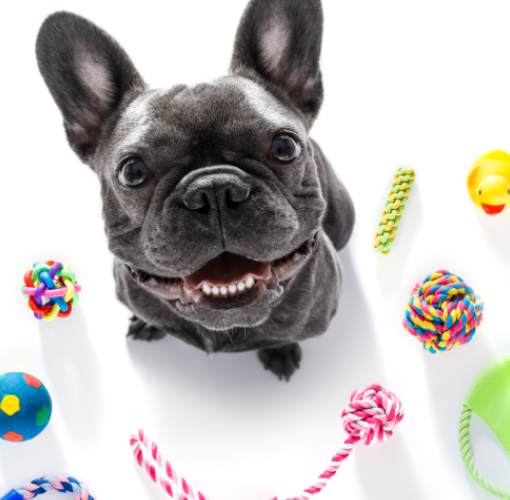
10 things to buy for your pets If you’re getting a pet for the very first time, then you will probably be trawling the internet for information on exactly what you need to keep your newest family member happy and healthy. However, the pet market is literally flooded with products, some essential and some downright eccentric, so figuring out exactly what you need for your pet can be a bit of a minefield. Pet essentials are not luxuries at all, and ensuring that you have the essentials covered is the very first step in responsible pet ownership. Here’s our guide to the 10 must-have products that every pet owner should have. Transport Storage Even if you mean your pet will spend most of your time inside and around your house, there is likely to come a time when you’ll want or need to move him a greater distance than you are happy walking. The crate is the best method to move your pet. They are relatively effective in securing your pet in the case of impact, and you can be rest assured that in the car, he’ll not be distracting you from driving. Some pets quite enjoy being in their crates indoors as it becomes a quiet private space that they can always withdraw to. The enclosed sides of the crate make them feel safe. It may help at this point, if you took the time when choosing a crate to ensure your selection is large enough for your animal to stand upright and turn within it comfortably-and don’t forget-if you also have a furry friend he too will need restroom breaks on the way! Better Quality Food It may come across as an automatic buy, however many new dog/cat/rabbit owners just nip out and start buying the very first food of which they can see. In fact, there are a great variety of pet foods on the market today and each has its own blend of vitamins, minerals and nutrients to benefit your animal. Before making a purchase you should do your research and/or get a professional opinion from a veterinarian as to the best food with which to feed your new pet. It is also worth finding out exactly how much you should be feeding him too so that you avoid inadvertently making your pet gain too much weight. A Cozy Bed While a rabbit or lizard may be perfectly content to curl up in some soft shredded newspaper in their cage, most dogs and cats have more luxurious sleeping arrangements for their overnight accommodation! Cats love to have their own special territory and a blanket or mat that is just for her will help her to feel more secure. Cats also usually like to sleep off the floor and in an enclosed space with just one opening or access point. Again, this helps them feel safe and protected and enables them to relax. Specialist cat beds are to be had, however if you are on a budget then a cardboard container with a hole reduce out one side will probably suffice.  Toys To an individual, toys seem like costly items, however in reality, they play a critical role inside the getting to know, improvement, and socialization of your puppy. Researchers have indicated that pets who’re bored are quite likely to expose undesirable conduct inside the home which includes scratching, biting, and lack of rest room education. Toys assist them to examine new instructions, recognize the way to behave with other puppies and their human pals, and preserve their brains lively and wholesome! A First Aid Kit Pets are simply as likely to be injured or have a twist of fate as their human own family participants! A first aid package in your own home, and additionally on your vehicle in case you journey with your pet plenty, is invaluable in handling emergencies which can occur, although it’s simplest to bandage your pet up till you may get them to an expert veterinarian. This typically constitutes a lot of the things that you would have expected to be included in its human counterpart like gauze, adhesive tape, sterile saline wash, tweezers and a digital thermometer (for which a pet version is inevitable). Grooming Supplies Pet hygiene goes a long way in keeping the animal happy and healthy. Purchase essentials such as soap, shampoo, conditioner and clippers. Try and shun human types of cleaning products; they might be unsuitable to your pets. Take a word of mouth recommendation by asking your vet for a selection of the proper cleansing brands for your pets. Ear cleaning as well as nail filing are very critical components, which could offer proper care approximately your pet health however may be pretty tricky for first-time proprietors. If you’ve got worries or questions regarding grooming or taking care of your new pet, contact your veterinarian to receive some friendly recommendation. Identification Our pets are part of our own family, and if they do wander away or become misplaced/stolen, it could be devastating. Getting your pet right identification can help to make certain that your animal is returned to you if something occurs to it. In addition to collars and tags, it is very worthwhile investing in microchip identification. It is quick, easy and reliable, and a painless procedure for your pet. Many veterinary surgeries have microchipping offers available from time to time too, so it doesn’t have to break the bank! Household Cleaning Supplies Unfortunately, pets attract quite a lot of germs, bacteria, bugs, and pests. They also often have bad smells associated with their environments and are less hygiene-friendly. If not properly cleaned, it can make your house smell bad and increase the likelihood of carrying a whole bunch of diseases. Deodorizers, pet sprays, disinfectant, and surface cleaners all help to keep the bacteria count at bay. Make sure you clean up your pet’s house, too, as well as washing him/her regularly. Flea Treatment Fleas are also part of the natural world of

Read More
Daily Care for Pets at Home

Daily care pets at home

Daily care pets at home If you choose to deliver a puppy into your property, you may have many different things to recall. Having an animal as a part of your own family is a large obligation since you are liable for each factor of her care. This includes the whole lot from ensuring she eats a wholesome, balanced food plan and gets sufficient workout to presenting her with the toys and activities she desires to save her from becoming bored. If you have never owned a pet before, the listing of obligations can seem infinite. Fortunately, maximum priorities can be broken down into unique areas, making it easier to make sure that your fur toddler is getting the care that she needs. We consider that we will make a difference and help you to end up the satisfactory puppy parent you could probably be. And for that reason, we prepared a number of great suggestions regarding the care for your puppy inside the consolation of your own home. Ensure living space is safe and appropriate The location your puppy will maximum possibly spend a variety of her time in has to fulfill all her necessities. For instance, although you might be fond of having a canine as a pet, you will discover it appropriate to keep an animal that doesn’t require an outside area in case you live in a condo without a right of entry to a lawn. Dogs want to easily get the right of entry to the outdoors to do their business, whereas cats can effortlessly use a muddle tray placed in a quiet place of their own home. Similarly, you ought to make certain that her residing environment is secure for her. This approach secured any chemicals or poisonous materials, putting away dangerous gadgets like knives or scissors and maintaining medications out of reach of her paws and jaws. If you have got a canine or indoor kitty, stable your fences and gates, home windows and other get right of entry to factors so that she cannot run away.   Pets need to use the bathroom quite often Many styles of pets can be housebroken, permitting them the opportunity to roam the residence without the worries of injuries. Cats have to be furnished with at least one muddle container; Puppies commonly need a potty to destroy everyone for 2 hours for the duration of the day. A well known rule of thumb is that a pup can hold it for as many hours as she is months antique, plus one.  For example, a three-month-old doggy ought to have as a minimum one toilet wreck each 4 hours. You’ll research the needs of your own canine however no dog should be expected to “keep it” extra than six hours. Senior puppies also want to alleviate themselves greater regularly, just like older humans. Dogs may be taught the way to use doggy doorways, potty pads, or to anticipate walks to relieve themselves.   Nutritional needs Every animal is a touch bit distinctive, so there could be barely distinct dietary wishes that want to be met if she is to grow well (if she is still younger) and remain wholesome. These necessities may be primarily based on her breed, her size, her age and her modern fitness. For example, dogs will require a weight loss plan that is substantially specific from that of an older puppy, and those animals that suffer with underlying ailments would require special diets fortified with particular vitamins and ingredients to help them remain healthy. To pleasantly decide which nutrients your puppy wishes, we strongly recommend that you discuss with our veterinarian who will be glad to make a recommendation for you. Be careful When feeding Human Foods In addition to manufactured pet ingredients, you furthermore might want to be careful about which human foods you proportion with your fur baby. Certain matters which you consume may be very toxic or even fatal on your puppy. Again, our veterinarian can be capable of advising you which of these ingredients are secure and which are not recommended. Stick to the mealtimes and portion sizes recommended with the aid of our vet anyplace feasible as these will assist ensure your pet is getting the proper amount of meals too. Provide regular exercise Just like us, animals can gain from everyday exercising, which can assist in controlling their weight, as well as maintaining their sturdy and healthy coronary heart and lungs wholesome. Different animals want different sorts and quantities of workout, and whilst more youthful, active breeds of canine may additionally need long walks on a day by day foundation, lazy felines may also need far less physical activity. Our vet might be glad to speak about your puppy’s exercise necessities with you. Preventive veterinary care Our pets are as susceptible to illness as we are, and some of the conditions that can impact them can be fatal or serious. Treatments aimed specifically to protect our pets from such conditions are known as preventive care. Most of these preventatives are in the form of vaccinations that are given on a schedule, but others, such as flea and tick repellents, can be given in a variety of ways including as an oral medication and a topical treatment. Our vet will be happy to advise you which preventatives your pet needs and when they should be given. Microchipping your pet Long gone are the days when you only had a collar and tag to identify you are the owner of an animal. Today, you can arrange to get your pet microchipped which is a tamper-proof form of identification. Should your pet become lost and is found, she can be taken to a veterinary surgery and scanned, enabling them to track you as her owner. Get to grips with grooming This can sometimes seem like an unimportant job, but cleaning and regular grooming of your pet have actually been shown to improve the pet’s health and wellbeing in general.

Read More
Living in Dubai with a Dog

Know About Living in Dubai with a Dog

Know About Living in Dubai with a Dog If you’re planning to live with your dog in Dubai, you must know that not all communities accept pets. Most villa communities are welcoming, but apartments? That depends on the building management. Always double-check before signing a lease and do not rely on estate agents for information. Even if your building allows dogs, the surrounding area might not be so welcoming. For instance, when we lived at the Delta Hotel in JBR, we could walk our dog all over. But just a short stroll away in the Marina, dogs weren’t allowed on the main boulevard. So, research is key when finding the right home for your dog in Dubai. Dog-Friendly Communities Here are some dog friendly communities in Dubai: Arabian Ranches – It has masses of parks, walking trails, and open spaces, which is ideal for dog proprietors. Dubai Hills Estate – It’s perfect for pets, with a dog park plus masses of green regions. The Meadows & The Springs – These are quiet neighborhoods with lakes plus loads of open spaces for dog walks. Damac Hills 1 & 2 – These have dog parks, plus loads of outdoor areas to explore. Pet-Friendly Apartment Areas: Jumeirah Lake Towers (JLT) – Since it is so pet-friendly, JLT is really great for plenty of lakeside walks, there is a dog park, and many buildings also allow pets. That’s not all; local restaurants and cafes also welcome pets. The Greens & The Views – Surrounded by lavish green areas, such apartments are perfect to take your pup out. Jumeirah Village Circle (JVC) – This place is a mix of villas and apartments with a lot of parks and open spaces. Palm Jumeirah – Some apartments and villas are pet-friendly, and it even has the dog-friendly beach, West Beach All dogs in Dubai have to be registered in the Dubai Municipality. It entails an animal tag on your pet and also gives you vaccination documentation, which can be a boon if you were to stay at a boarding facility sometime. Just take the Emirates ID and copies of the vaccinations to the vet, and that’s all that is needed. This costs approximately AED 100 per annum. If your dog hasn’t yet been micro-chipped, you can have the vet do this for you, too. Veterinarian Care and Boarding for Dogs in Dubai Dubai has plenty of veterinary clinics, but not all are equal. We personally use the British Veterinary Hospital in Jumeirah as it is to UK standards, although expensive. When it comes to boarding your dog in Dubai, research thoroughly. We have had good experiences with “My Second Home,” but not all places are run so well. Pet boarding can be a bit of a mixed bag in Dubai. Some facilities overbook, making it stressful for your pet. And believe it or not, there are places where strangers pay to play with boarded animals! Not really our idea of safe pet care, so it’s important to choose wisely. Vaccination Requirements Dubai has strict rules on vaccination requirements for pets. Your dog will need to have rabies vaccination and DHLPP, which gives protection against distemper, leptospirosis, hepatitis, and parvovirus. Dog Rules in Dubai Dogs in Dubai should be leashed except they’re in an enclosed place, consisting of a dog park or your personal yard. Also, cleaning up after your puppy is a ought to. This applies to everyone, including domestic helpers, so be sure to remind them. Public Transportation Dogs are not allowed on public transportation in Dubai, including buses, the metro, and trams. You’ll need to arrange private transport or use pet-friendly ride services like Chauf- Fur Pet taxi The Heat and Your Dog in Dubai The warmness in Dubai is extreme, and it can be lethal for dogs. Take your dog out early in the morning or during the night time to keep away from heatstroke, and commonly take a look at the ground temperature before taking them out. If it’s too hot on your bare toes, it is too warm on your canine’s paws. Pet-Friendly Beaches, Hotels, and Restaurants Some of the more pet-pleasant seashores, lodges, and eating places can be found in Dubai, although you will want to do some studies. In fashion, your pet isn’t always allowed in taxis, department shops, or different areas of public areas. Stay tuned for my subsequent blog posts on some of the best pet-friendly spots in Dubai—saving you the search! Pet-Proof Your Home Living with a pet without puppy-proofing in your home can also deliver you problems. Pets, which includes puppies and kittens, can be curious animals that get caught in tight locations. So, examining each corner of your own home to be safe on your fluffy puppy is important. In order to prevent injuries, keep in mind the subsequent precautions: Install child-proof latches on low cabinets. Check the electrical outlets for any loose wires or cords. Keep balconies closed when left unattended. Check for items that pets could swallow or for which they have a tendency to play unsupervised. Restrict access to small toys, decorations, and remote controls to your pet. Close the toilet lid to avoid pollution. Lock in food items, cleaning agents into cabinets. Use closed cabinets for keeping medicines, razors, and cleaning agents. Proper Care to Your Pet For the right care of your beautiful pet, the following points can be remembered: Pets must be kept clean   When venturing out, pets must be leashed. Dogs are restricted from public parks and public means of transport Some breeds can be muzzled in public. The pets must live in single units. In the case of multi-unit dwellings, permission from the property owner has to be granted. It is encouraged to walk your dog early morning and evening for summer months Pets require freshwater and shelter. Train Your Pet Keeping an untrained pet can cause a couple of issues, such as littering everywhere. To overcome such situations, you can train your pet by:

Read More
Pet Nail Trimming Guide

Guide for cutting nails of your pets

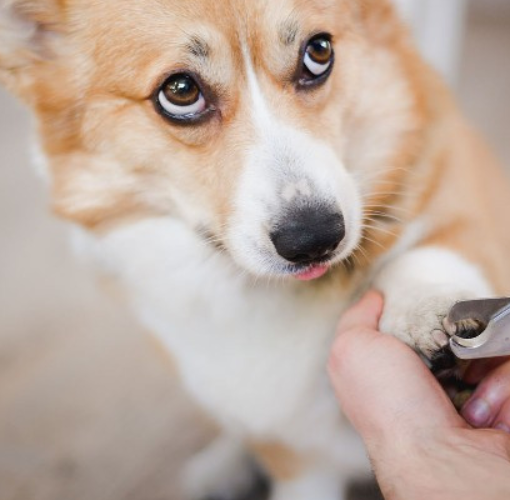
Guide for cutting nails of your pets Cutting your dog or cat’s claws is one of the most necessary assignments for all pet parents. It not only keeps your floors and furnishings from unwanted scratches but also ensures that the nails are healthy and taken care of for your pet. Overgrown nails can be painful and result in unwanted behavior and health issues. Orthopedic problems may arise if a dog is unable to stand or walk without the toes splayed or curved from the length of their nails. Cats with overgrown claws can develop unwanted scratching behaviors; declawed cats, on the other hand, commonly face litter box problems and more. But what happens when your pet hates nail trims or you’re new to this important job? We’ve got your back. Here are our tips for nailing nail trims: Prepare yourself The first step is the most important! Before trimming your pet’s talons, educate yourself with the anatomy of your dog or cat’s claw including the quick — the vein that runs via the center. Nails should be trimmed in the demand they produce, and never faster than the short. It is painful and bloody to trim an animal’s nails too short. In addition, cutting the quick will contribute to their hatred of nail trims, and thus make it harder to get the job done. Choose your supplies carefully. Local pet supply stores as well as websites carry an array of trimming kits for pet’s nails. Hand clippers work best in various sizes to fit the animal. It’s also wise to have a “drill” or file if your dog’s nails should be shaped or require smoothing to the edges. Prepare your animal You might want to get that manicure for your pet finished, but trust me, it’s not a competition. If either you or your pet are not used to having their nails trimmed, begin with just touching their feet and nails and giving them plenty of treats. Do this for a few days. That’s right — no clipping, just treats. Each day grasp your pet’s paw a little longer and a little tighter until you are duplicating the same pressure you would when cutting their nails. You can also just hold their paw while showing them the nail clippers. Lightly touch the clippers to their nails and give them a treat with a little praise. This makes them associate nail trims with positive rewards. Time to Trim Clip your pet’s nails when they are calm or tired. Good times to start are after a walk or even during a cat-nap. You may only cut one claw, depending on your experience level and your pet’s tolerance. THAT’S OKAY. The most important thing is to keep each session positive. We know how tempting it can be to try and power through, but if your pet is actively struggling, simply walk away. There will always be more chances! Ask for help Having a partner in trimming your pet’s nails can make all the difference. One person can distract and provide treats while the other carefully trims. Yes, we have all seen those YouTube videos of people wrapping saran wrap around their heads and covering themselves in peanut butter while trimming their dogs’ nails. Please, recruit a friend rather than turning yourself into a dog treat. You never need your face close to an animal’s mouth when they may be pressured or scared. Why Nail Care Is Important? Before we supply an explanation for the way to carry out nail care for your puppy, let’s have a short rundown on why it’s essential for your dog. Long nails can be hectic in your dog and can create other health-related troubles, along with joint pain. Moreover, pointy nails could scratch you or your family inadvertently or other animals. Trimming the nails will therefore ensure your comfort and your furry friend’s security. How Deep to Cut The secret to effective nail trimming is knowing how deep to reduce. Inside each nail is a pinkish vicinity referred to as the ‘short’. This element contains blood vessels and nerves, and reducing it may cause bleeding and pain. Your purpose is to trim the nail simply before reaching the fast. Here’s a step-with the aid of-step manual: Gather Your Supplies: Get a good pair of pet nail clippers. It offers a range of high-quality clippers designed with precision and safety in mind. Inspect the Nail: Look for the quick. In light-colored nails, it’s usually easy to spot a pinkish area. In dark-colored nails, it’s more challenging. On the side of caution and trim smaller bits until you see a grayish, solid center when you cut. Cut at a 45-Degree Angle: Place the clipper at a 45-degree angle to the nail, and cut smoothly and quickly. If you’re not sure, it’s better to cut less than to cut too much. File Smooth: After cutting, use a nail file to smooth out any sharp edges. This final step helps prevent scratches and discomfort. Keeping Your Pet Calm Calmness is the key when cutting your pet’s nails. Here are some tips: Positive Reinforcement: Reward your pet with treats and praise at some stage in and after the nail trim. This high-quality affiliation can make the process much less stressful. Practice Handling: Get your puppy used to having their paws touched and nails treated earlier than you start slicing. This desensitization can assist them feel extra cushty in the course of the system. Take Your Time: Don’t rush. If your puppy is traumatic, start with just one or two nails at a time and regularly below the amount as they evolve conscious of the way. Seek Professional Help: If you’re uncertain or nervous about cutting your pet’s nails, do now not hesitate to search for assistance from a professional groomer or veterinarian. They can demonstrate the technique and provide steering. Conclusion Nail care is as much a responsibility as owning your pet. Along with good nail clippers and these easy to follow

Read More
Peshi Pets Fireworks Safety Tips

Pets and fireworks

Pets and fireworks Pet owners must understand that the safety of their pets is the most important thing. They need special care and attention to remain calm and happy. Fireworks can be worrying, anxiety frightening, and even aggressive for pets. If your pet is one you understand receives extreme harassment through fireworks, or if it’s a new puppy that seems not able to cope with loud noises – then speak together with your vet. If you would like to discuss speaking to your vet about medication for your animals, please do this some weeks before Bonfire Night so your vet can offer as many options as possible in advance. Keep reading for our top tips on preparing your pet for the fireworks season. Tips to help your pet cope with fireworks You may already know that your dog or cat is scared of fireworks from previous years, or you may have a new pet, and this could be their first experience of fireworks. Fireworks are a big feature of many festivals, for example Bonfire Night and Diwali or New Year’s Eve. While entertaining for us, our pets have another story; in fact, 40% of pet owners report that their pet fears fireworks, according to the PDSA. In some instances, pets may go through the whole fireworks season traumatized. There are a few different easy matters that you may do to ease your puppy’s stress around fireworks. Here are a few useful tips to try to lead them to greater comfort. Invest in a pheromone diffuser Pheromone sprays and diffusers can help to alleviate pet stress and anxiety, so try placing a couple around the house-these can be a good way to keep nervous pets’ calm. You’ll need to do this at least a couple of weeks ahead of fireworks night for it to take effect. Your vet will be able to help you choose an option that best suits your pet. Take the dogs for walk early If you usually go for an evening or late-night walk, try to change the routine and head out early to avoid being outside when the fireworks start. Even if they don’t normally show fear around fireworks, dogs can be easily startled by loud, unexpected bangs while outside. Gradually change your usual walking patterns a week before fireworks events to acclimate your dog to the shift. Keep them on a leash at all times during the fireworks period; a surprised pet might scurry off without warning sometimes. Keep the cats indoors If your cat is an outdoor cat that likes to wander, it’s really worth trying to keep them in whilst they come home in advance in the day. Otherwise, there’s a risk they may still be out while the fireworks begin. Create a safe space for your pet Having a safe place in your own home method your puppy may have someplace acquainted and cushty to retreat to if they’re scared. A puppy-friendly haven is packed with meals and water bowls, favorite toys, and bedding in a room or corner of your own home. It’s very essential no longer to limit them to this space, as that might strain them even greater. You should let them go where they feel safe. Offer many hiding places  Most homes are full of great hiding spots for dogs and cats, under the bed or behind the sofa, for example. Make sure you provide many places they can safely hide away from the noise. This is especially critical for cats. If they do determine to take refuge across the house, keep a watch on in which they’re to keep away from shutting them in and reducing them off from different areas of the house. Close windows, curtains, and blinds Keeping your windows closed can help muffle loud noises and save your puppy from escaping in the event that they determine to escape. You may additionally want to shut any curtains or blinds to in addition soundproof your property and shut out vibrant flashes and sparks that could scare pets. Don’t forget to lock the cat flap to save your cat from getting outdoors. Turn up the radio or TV Turning on the radio or TV does not only hide the loud thuds and crackling of firecrackers, but also introduces a familiar sound that will make your dog or cat feel somewhat better. Try playing soothing music or turn on a program that you regularly watch to make your pet feel safe and sound. Rabbits: Extra bedding Rabbits generally tend to burrow when they get scared, so popping some more bedding into their home gives them masses to hide in and enables them to sense protection towards the noise. You may also want to present them a few extra hideaways, together with a ventilated cardboard container filled with hay, to ensure they’ve masses of possibilities to take safe haven from the noise. Stay at home If at all possible, try to ensure that somebody is at home, this will help soothe your pet’s fears. Left to their own devices, your pet could become very stressed and destructive in your absence. Try to act as normally as you can in front of your dog, the more normal we act, the safer and more secure they are going to feel since you seem unruffled and not bothered.  If they come over to you for comfort, then you should treat them as you normally would and not ignore them. Don’t scold them for what is inappropriate behavior for us, this will only serve to heighten the anxiety. Give them a treat A filled bite toy can keep dogs occupied for hours, while a deal with a puzzle ball can have the identical effect on cats and rabbits. These stimulating toys assist take their thoughts off what is taking place around them and can even help them forget their fears. It’ll additionally praise their accurate conduct and bravery. Make sure they’re microchipped Scared animals can flee, especially cats, so ensure they’re

Read More
What to do with pets when going on holiday

What should you do for pets if you are going on holiday?

What should you do for pets if you are going on holiday? One of the most important things on your to-do list whilst you are getting equipped for holiday is making preparations for your pet.  If you are travelling together with your puppy, check my episode on traveling with pets for all of the data you may want to have a secure and glitch-unfastened vacation. But, if you are visiting and your puppy or pets can not go along with you, arrangements need to be made. Things to not forget. A few matters ought to be considered when figuring out what to do with your pets while on excursion. Factors to Consider Do you have a cat or cats?  A dog?  Both? How old are they?  Do they need special care? How well do they do on their own?  Are they okay going to someone else’s home?  How long will you be away? You get the picture.  There is a lot to think about, but you know your pets the best so let’s go through the options.  Leave with a family member: Leave with a family member/friend Another way to have your cat or cats cared for is to take them to a family member or friend. This can be tricky as many cats will hide for a few days in unfamiliar surroundings. They can also find ways to disappear into ducts or walls or basement hidey holes.   This can be a problem because they may get in but can’t get out. So if the cats are going to someone’s house, that person will have to cat proof their house. It’s probably best to contain the cats in one area for a few days until they get used to not being in their own home. Take your pet to the caregiver: Taking your cat to a caregiver is a great idea if you are going for an extended period of time. Boarding Facility ginger cat sleeping in white cat bed. Another option for a cat is a stay at a cat boarding facility. You would need to research your area to see which facilities are close by and board cats. If you are considering this, then you will need to devote a little time before the vacation to check out these facilities and speak with facility owners and managers. Take your pet to the facility The facility will let you know what it is that they require to board with them, this could be vaccinations they had not been given. Therefore, you will need time getting to the vet and making sure your cat is in fact vaccinated. House Sitter and last but not least, if you have a friend or family member who would like to come and stay in your home while you are away, then your kitty will have someone to hang out with, and their routine will be completely unaffected.   This can also be done through hiring a house sitter.  Pet Sitter Obviously the first option which was to have a person visit every other day is not going to work with a dog. However, it may work if you have a person or persons come in to let your dog out and feed and walk two or three times a day. A friend or several friends or family members could do this, taking turns or you could hire a pet sitter. If there were any coming to your home to sit three times daily for a week or more, then a pet sitter can get a little pricey. Check the tolerance level of your pet It is definitely an option, but a dog or cat still needs to tolerate being left alone for sometimes longer stretches and overnight time. Considerations when employing a sitter. Other preparations should be made to take the dog to the pet sitters for a visit before being left.  This way the dog will not be completely in unfamiliar territory. Take a look around outside to make sure that the backyard is secure if they have one, so the dog can go out in the yard and not get out under the fence.  It’s always a good idea to bring all of the dog’s familiar things. Blanket, bed, toys, bowls and leashes One of the biggest things you run into all the time is someone coming in looking to get food for the dog they are looking after, having no idea what it is because the pet parents didn’t leave enough food or treats for the dog. Ensure that you have left the sitter with more than enough food and treats or at least leave them the information of what food your pet eats and where to get it.  This applies to the cat as well. And it is a good idea to remember that your dog could easily be upset for a few days and not want to eat or have a bout of the scoots. Let the sitter know that this is a possibility and it isn’t anything to really worry about unless it persists. In this case your emergency contact info should be very clearly given and who your vet is, their phone number and their address. Stay with a friend or family member Stay with a friend or family member. The next option is to take your dog to a friends or a family member’s home. Some people have family or friends that know their pet quite well and this works out just fine. If this is your first time, you have to prepare the sitter and the dog. Remember that you are away. When the dog or cat gets out, this can be very helpful as the finder of your pet is to directly call the sitter. Conclusion Leaving our pets is always stressful because we are worried everything is going well.  The only way to deal with that is to have the type of pet sitting you feel that is best for you and

Read More
Care guide for pets

Care guide for pets in cold weather

Care guide for pets in cold weather While iciness is the correct season to cuddle up together with your bushy pal and keep each different warm, venturing out into the freezing temperatures might also reveal your pet to a host of capacity dangers. Before the thermometer dips, know those winter pet protection tips and ensure your quality buddy remains secure and relaxed all season lengthy. Manage Your Pet Food Intake   Just like in people, puppies and cats need energy to fuel their body activities, which encompass workout and shivering that help keep our fur friends warm. The calorie desires of a pet depend upon its weight and coat kind. For instance, dogs and cats with low body fat and thin or hairless coats may need more calories in the course of wintry weather to maintain frame warmness.  Pet-Proof Your Home   Your furry friend will possibly spend a whole lot more time indoors as soon as the cold weather arrives—and retaining your puppy secure in winter calls for a piece of extra vigilance in the new season. While capacity dangers like cleansing components, electrical wires, houseplants, and drugs need to always be stored out of reach, pay more attention to new family items you introduce in wintry weather. For example, save your pets from preserving business enterprises with area heaters.  Keep Your Pet’s Paws Protected Even within the uselessness of winter, dogs nevertheless want to spend some time outdoors for their daily workout and potty recurring. In the coldest climates, this indicates conquering icy and hard sidewalks blanketed with rock salt and deicing chemical compounds. Once you cross returned inner, ensure to thoroughly wipe down your puppy’s paws in case there are any chemical substances or dust. Controlling Outdoor Time Adapting puppies and cats to iciness lets in the frame to ease into freezing situations. There are necessary elements and precautions you must pass outside collectively. Before you go out: Make sure your pet is leashed and chipped, in particular if there is snow on the floor. Snow can mask scents acquainted with your puppy and make it extra tough for them to find their way home if lost. Your puppy’s information should be up to date and legible. While You’re Outside:  Keep outdoor journeys together with your 4-legged pal quickly. Even though their thick coat may also assist protect them from harsh winds and weather, your pet can still be liable to the bloodless. Remember: if the climate is too bloodless for you, it’s probably too bloodless to your canine or cat. You should additionally not forget how much daytime you have got before taking your puppy outside. As the days get shorter, you need to ensure you are inside again before it gets too dark to look absolutely.  Provide an Indoor Potty Solution Even though most puppies are skilled to go outside, every now and then on really awful winter days, indoor potty breaks can be a need to. Place the pads in a heat a part of your own home and ensure your doggy is well trained. In instances in which your pet desires to move outdoors, shovel a snow patch (ideally close to your property) for them to have a chosen place to head. Cats also want a heat location to potty in cold climates. Even though many cat parents may also keep their litter field out of sight in places including the storage or basement, those spots may be too chilly for cats for the duration of iciness.  Create a Pet First Aid Kit You additionally better buckle up for icy roads and energy outages in the course of the wintry weather months. Just in case you require puppy components or are not able to get to the vet in an emergency, you need to prepare a puppy first useful resource package with the following substances: Self-adhesive bandage webbing Tweezers Hydrogen peroxide Cotton balls Aspirin Antibacterial ointment Anti-diarrhea medication Towel Scissors Gauze pads Latex gloves Know the Signs of Frostbite and Hypothermia Though rare, frostbite and hypothermia may be deadly to pets who’re uncovered to seriously bloodless weather. Limit the time your dog or cat spends outdoors and be careful of symptoms and signs and symptoms. Frostbite: Wet animals are the most at risk of frostbite, which is a condition that affects severe cold weather penetrating the pores and skin. Signs encompass blue or gray discoloration where the skin is affected, swelling, useless pores and skin patches, blisters, and coldness of the pores and skin. Hypothermia: This is a clinical condition where pets have body temperatures which might be a good deal decrease than what’s everyday. Symptoms encompass labored respiration, pressure in limbs, weak spots, and even coma. Clean up spills of antifreeze Responsible use of antifreeze is the high-quality manner to ensure puppy protection in winter. Ethylene glycol is a natural compound that bureaucracy an element of antifreeze. When ingested, antifreeze may be deadly to pets because of the compound it consists of. Pet Poison Helpline has indicated that as little as one tablespoon is sufficient to cause kidney failure in puppies, and one teaspoon can kill cats. Other symptoms include drooling, seizures, immoderate thirst and urination, and vomiting. Keep your puppy far from getting entry to antifreeze, and smooth any spills very well. Contact your veterinarian at once if you suspect that your pet has ingested antifreeze. Maintain Regular Grooming You can be tempted to permit your fur kid’s coat alone throughout the bloodless months, but wintry weather is actually an essential time for grooming. Comb your fur children’s coat often and work your manner via mats and tangles; ready until spring will simplest make combing extra difficult for you and painful for your puppy. Plus, trimming hair for your puppy’s paws can help prevent salt or chemical compounds from getting caught. Because everyday bathing can save you dry skin, it’s essential to maintain a regular schedule to wash your pet. Look Under Your Car In fact, cats may additionally make

Read More