
Peshi Pets

Sacdswqe

Peshi Pets Fireworks Safety Tips

Pets and fireworks

Home Peshi Pets Fireworks Safety Tips Pet owners must understand that the safety of their pets is the most important thing. They need special care and attention to remain calm and happy. Fireworks can be worrying, anxiety frightening, and even aggressive for pets. If your pet is one you understand receives extreme harassment through fireworks, or if it’s a new puppy that seems not able to cope with loud noises – then speak together with your vet. If you would like to discuss speaking to your vet about medication for your animals, please do this some weeks before Bonfire Night so your vet can offer as many options as possible in advance. Keep reading for our top tips on preparing your pet for the fireworks season. Tips to help your pet cope with fireworks You may already know that your dog or cat is scared of fireworks from previous years, or you may have a new pet, and this could be their first experience of fireworks. Fireworks are a big feature of many festivals, for example Bonfire Night and Diwali or New Year’s Eve. While entertaining for us, our pets have another story; in fact, 40% of pet owners report that their pet fears fireworks, according to the PDSA. In some instances, pets may go through the whole fireworks season traumatized. There are a few different easy matters that you may do to ease your puppy’s stress around fireworks. Here are a few useful tips to try to lead them to greater comfort. Invest in a pheromone diffuser Pheromone sprays and diffusers can help to alleviate pet stress and anxiety, so try placing a couple around the house-these can be a good way to keep nervous pets’ calm. You’ll need to do this at least a couple of weeks ahead of fireworks night for it to take effect. Your vet will be able to help you choose an option that best suits your pet. Take the dogs for walk early If you usually go for an evening or late-night walk, try to change the routine and head out early to avoid being outside when the fireworks start. Even if they don’t normally show fear around fireworks, dogs can be easily startled by loud, unexpected bangs while outside. Gradually change your usual walking patterns a week before fireworks events to acclimate your dog to the shift. Keep them on a leash at all times during the fireworks period; a surprised pet might scurry off without warning sometimes. Keep the cats indoors If your cat is an outdoor cat that likes to wander, it’s really worth trying to keep them in whilst they come home in advance in the day. Otherwise, there’s a risk they may still be out while the fireworks begin. Create a safe space for your pet Having a safe place in your own home method your puppy may have someplace acquainted and cushty to retreat to if they’re scared. A puppy-friendly haven is packed with meals and water bowls, favorite toys, and bedding in a room or corner of your own home. It’s very essential no longer to limit them to this space, as that might strain them even greater. You should let them go where they feel safe. Offer many hiding places Most homes are full of great hiding spots for dogs and cats, under the bed or behind the sofa, for example. Make sure you provide many places they can safely hide away from the noise. This is especially critical for cats. If they do determine to take refuge across the house, keep a watch on in which they’re to keep away from shutting them in and reducing them off from different areas of the house. Close windows, curtains, and blinds Keeping your windows closed can help muffle loud noises and save your puppy from escaping in the event that they determine to escape. You may additionally want to shut any curtains or blinds to in addition soundproof your property and shut out vibrant flashes and sparks that could scare pets. Don’t forget to lock the cat flap to save your cat from getting outdoors. Turn up the radio or TV Turning on the radio or TV does not only hide the loud thuds and crackling of firecrackers, but also introduces a familiar sound that will make your dog or cat feel somewhat better. Try playing soothing music or turn on a program that you regularly watch to make your pet feel safe and sound. Rabbits: Extra bedding Rabbits generally tend to burrow when they get scared, so popping some more bedding into their home gives them masses to hide in and enables them to sense protection towards the noise. You may also want to present them a few extra hideaways, together with a ventilated cardboard container filled with hay, to ensure they’ve masses of possibilities to take safe haven from the noise. Stay at home If at all possible, try to ensure that somebody is at home, this will help soothe your pet’s fears. Left to their own devices, your pet could become very stressed and destructive in your absence. Try to act as normally as you can in front of your dog, the more normal we act, the safer and more secure they are going to feel since you seem unruffled and not bothered.  If they come over to you for comfort, then you should treat them as you normally would and not ignore them. Don’t scold them for what is inappropriate behavior for us, this will only serve to heighten the anxiety. Give them a treat A filled bite toy can keep dogs occupied for hours, while a deal with a puzzle ball can have the identical effect on cats and rabbits. These stimulating toys assist take their thoughts off what is taking place around them and can even help them forget their fears. It’ll additionally praise their accurate conduct and bravery. Make sure they’re microchipped Scared animals can flee, especially cats,

Read More
What to do with pets when going on holiday

What should you do for pets if you are going on holiday?

Home What to do with pets when going on holiday One of the most important things on your to-do list whilst you are getting equipped for holiday is making preparations for your pet. If you are travelling together with your puppy, check my episode on traveling with pets for all of the data you may want to have a secure and glitch-unfastened vacation. But, if you are visiting and your puppy or pets can not go along with you, arrangements need to be made. Things to not forget. A few matters ought to be considered when figuring out what to do with your pets while on excursion. Factors to Consider Do you have a cat or cats? A dog? Both? How old are they? Do they need special care? How well do they do on their own? Are they okay going to someone else’s home? How long will you be away? You get the picture. There is a lot to think about, but you know your pets the best so let’s go through the options. Leave with a family member: Leave with a family member/friend Another way to have your cat or cats cared for is to take them to a family member or friend. This can be tricky as many cats will hide for a few days in unfamiliar surroundings. They can also find ways to disappear into ducts or walls or basement hidey holes. This can be a problem because they may get in but can’t get out. So if the cats are going to someone’s house, that person will have to cat proof their house. It’s probably best to contain the cats in one area for a few days until they get used to not being in their own home. Take your pet to the caregiver: Taking your cat to a caregiver is a great idea if you are going for an extended period of time. Boarding Facility ginger cat sleeping in white cat bed. Another option for a cat is a stay at a cat boarding facility. You would need to research your area to see which facilities are close by and board cats. If you are considering this, then you will need to devote a little time before the vacation to check out these facilities and speak with facility owners and managers. Take your pet to the facility The facility will let you know what it is that they require to board with them, this could be vaccinations they had not been given. Therefore, you will need time getting to the vet and making sure your cat is in fact vaccinated. House Sitter and last but not least, if you have a friend or family member who would like to come and stay in your home while you are away, then your kitty will have someone to hang out with, and their routine will be completely unaffected. This can also be done through hiring a house sitter. Pet Sitter Obviously the first option which was to have a person visit every other day is not going to work with a dog. However, it may work if you have a person or persons come in to let your dog out and feed and walk two or three times a day. A friend or several friends or family members could do this, taking turns or you could hire a pet sitter. If there were any coming to your home to sit three times daily for a week or more, then a pet sitter can get a little pricey. Check the tolerance level of your pet It is definitely an option, but a dog or cat still needs to tolerate being left alone for sometimes longer stretches and overnight time. Considerations when employing a sitter. Other preparations should be made to take the dog to the pet sitters for a visit before being left. This way the dog will not be completely in unfamiliar territory. Take a look around outside to make sure that the backyard is secure if they have one, so the dog can go out in the yard and not get out under the fence. It’s always a good idea to bring all of the dog’s familiar things. Blanket, bed, toys, bowls and leashes One of the biggest things you run into all the time is someone coming in looking to get food for the dog they are looking after, having no idea what it is because the pet parents didn’t leave enough food or treats for the dog. Ensure that you have left the sitter with more than enough food and treats or at least leave them the information of what food your pet eats and where to get it.  This applies to the cat as well. And it is a good idea to remember that your dog could easily be upset for a few days and not want to eat or have a bout of the scoots. Let the sitter know that this is a possibility and it isn’t anything to really worry about unless it persists. In this case your emergency contact info should be very clearly given and who your vet is, their phone number and their address. Stay with a friend or family member Stay with a friend or family member. The next option is to take your dog to a friends or a family member’s home. Some people have family or friends that know their pet quite well and this works out just fine. If this is your first time, you have to prepare the sitter and the dog. Remember that you are away. When the dog or cat gets out, this can be very helpful as the finder of your pet is to directly call the sitter. Conclusion Leaving our pets is always stressful because we are worried everything is going well.  The only way to deal with that is to have the type of pet sitting you feel that is best for you and for your

Read More
Care guide for pets

Care guide for pets in cold weather

Home Care guide for pets in cold weather While iciness is the correct season to cuddle up together with your bushy pal and keep each different warm, venturing out into the freezing temperatures might also reveal your pet to a host of capacity dangers. Before the thermometer dips, know those winter pet protection tips and ensure your quality buddy remains secure and relaxed all season lengthy. Manage Your Pet Food Intake Just like in people, puppies and cats need energy to fuel their body activities, which encompass workout and shivering that help keep our fur friends warm. The calorie desires of a pet depend upon its weight and coat kind. For instance, dogs and cats with low body fat and thin or hairless coats may need more calories in the course of wintry weather to maintain frame warmness. Pet-Proof Your Home Your furry friend will possibly spend a whole lot more time indoors as soon as the cold weather arrives—and retaining your puppy secure in winter calls for a piece of extra vigilance in the new season. While capacity dangers like cleansing components, electrical wires, houseplants, and drugs need to always be stored out of reach, pay more attention to new family items you introduce in wintry weather. For example, save your pets from preserving business enterprises with area heaters. Keep Your Pet’s Paws Protected Even within the uselessness of winter, dogs nevertheless want to spend some time outdoors for their daily workout and potty recurring. In the coldest climates, this indicates conquering icy and hard sidewalks blanketed with rock salt and deicing chemical compounds. Once you cross returned inner, ensure to thoroughly wipe down your puppy’s paws in case there are any chemical substances or dust. Controlling Outdoor Time Adapting puppies and cats to iciness lets in the frame to ease into freezing situations. There are necessary elements and precautions you must pass outside collectively. Before you go out: Make sure your pet is leashed and chipped, in particular if there is snow on the floor. Snow can mask scents acquainted with your puppy and make it extra tough for them to find their way home if lost. Your puppy’s information should be up to date and legible. While You’re Outside: Keep outdoor journeys together with your 4-legged pal quickly. Even though their thick coat may also assist protect them from harsh winds and weather, your pet can still be liable to the bloodless. Remember: if the climate is too bloodless for you, it’s probably too bloodless to your canine or cat. You should additionally not forget how much daytime you have got before taking your puppy outside. As the days get shorter, you need to ensure you are inside again before it gets too dark to look absolutely. Provide an Indoor Potty Solution Even though most puppies are skilled to go outside, every now and then on really awful winter days, indoor potty breaks can be a need to. Place the pads in a heat a part of your own home and ensure your doggy is well trained. In instances in which your pet desires to move outdoors, shovel a snow patch (ideally close to your property) for them to have a chosen place to head. Cats also want a heat location to potty in cold climates. Even though many cat parents may also keep their litter field out of sight in places including the storage or basement, those spots may be too chilly for cats for the duration of iciness. Create a Pet First Aid Kit You additionally better buckle up for icy roads and energy outages in the course of the wintry weather months. Just in case you require puppy components or are not able to get to the vet in an emergency, you need to prepare a puppy first useful resource package with the following substances: Self-adhesive bandage webbing Tweezers Hydrogen peroxide Cotton balls Aspirin Antibacterial ointment Anti-diarrhea medication Towel Scissors Gauze pads Latex gloves Know the Signs of Frostbite and Hypothermia Though rare, frostbite and hypothermia may be deadly to pets who’re uncovered to seriously bloodless weather. Limit the time your dog or cat spends outdoors and be careful of symptoms and signs and symptoms. Frostbite: Wet animals are the most at risk of frostbite, which is a condition that affects severe cold weather penetrating the pores and skin. Signs encompass blue or gray discoloration where the skin is affected, swelling, useless pores and skin patches, blisters, and coldness of the pores and skin. Hypothermia: This is a clinical condition where pets have body temperatures which might be a good deal decrease than what’s everyday. Symptoms encompass labored respiration, pressure in limbs, weak spots, and even coma. Clean up spills of antifreeze Responsible use of antifreeze is the high-quality manner to ensure puppy protection in winter. Ethylene glycol is a natural compound that bureaucracy an element of antifreeze. When ingested, antifreeze may be deadly to pets because of the compound it consists of. Pet Poison Helpline has indicated that as little as one tablespoon is sufficient to cause kidney failure in puppies, and one teaspoon can kill cats. Other symptoms include drooling, seizures, immoderate thirst and urination, and vomiting. Keep your puppy far from getting entry to antifreeze, and smooth any spills very well. Contact your veterinarian at once if you suspect that your pet has ingested antifreeze. Maintain Regular Grooming You can be tempted to permit your fur kid’s coat alone throughout the bloodless months, but wintry weather is actually an essential time for grooming. Comb your fur children’s coat often and work your manner via mats and tangles; ready until spring will simplest make combing extra difficult for you and painful for your puppy. Plus, trimming hair for your puppy’s paws can help prevent salt or chemical compounds from getting caught. Because everyday bathing can save you dry skin, it’s essential to maintain a regular schedule to wash your pet. Look Under Your Car In fact, cats may additionally make a

Read More
how long can a cat go without food

Guide to understand how long can your cat go without meals

Home Guide to understand how long can your cat go without meals Cats are quite superb animals; they may be quite unbiased. And, whilst it concerns meals, they’ve positive precise wishes. So, what’s the time a cat can simply pass without meals? Well, the bottom line is that cats, in truth, can manage to live on without meals for almost one to two weeks, however it quickly turns into unsafe a whole lot earlier on. After simply 3 or 4 days without food, a cat’s health can deteriorate to much worse than that, which may lead to serious issues. How lengthy can a cat cross without meals? It relies upon things including their age, health, activity stage, and their surroundings. A healthy grownup cat might make it for some days, but kittens, older cats, or cats with fitness troubles are at a much better chance in the event that they skip meals. It’s no longer pretty much surviving; it’s approximately staying wholesome during that point. Eating often is truly critical for stopping critical fitness problems, like liver problems or losing muscle. Why Is my cat not eating something now? Here are some reasons: New Food Cats can be very picky about their meals. If you’ve recently switched their food, they won’t adore it as it’s new or the flavor or texture is one of a kind. Cats are touchy to modifications in odor and texture. You can help them adjust by way of progressively mixing the new food with their antique food over a length of 7 to 10 days so they can get used to it slowly. Slower Metabolism As cats get older, their metabolism goes down, meaning they require much less calories than they used to. Older cats are usually less lively, which in reality they don’t require as a good deal of meals. That is generally everyday if your cat is eating a bit and preserving a healthful weight. Ensure they get a balanced weight loss program that meets their desires as they age. They Might Be Full If your cat is going outdoors, they will be finding meals somewhere else. They are probably searching for small animals or eating meals given to them by a neighbor. Cats are herbal hunters, and the intuition to seize prey is powerful, which would possibly mean they may be now not hungry while they come home. If you believe you studied what is happening, attempt to preserve an eye fixed on their outside activities or talk for your associates. It’s also important to observe your cat’s weight to make certain they aren’t gaining too much from outdoor food, that can result in health troubles. If your cat isn’t ingested for a long time, it is always great to test with a vet to catch any problems early and hold your cat wholesome Why Can’t Cats Go Long Without Food? Close-up of a tabby cat licking its lips with textual content explaining why cats can not go long without food, highlighting protein desires, fatty liver ailment, constrained energy reserves, and dehydration risks. Cats Need a Lot of Protein Cats are what we call obligate carnivores (animals whose diet consists of at least 70 percent meat), which means they want to consume animal protein to stay wholesome. They require precise nutrients, along with taurine and arginine, that they are able to most effectively locate in meat. Unlike every other animal, cats are not able to synthesize ok amounts of these nutrients internally, so they need to be acquired from food. Cats can become significantly sick and even lose muscle in the event that they no longer devour sufficiently for a long length. Fatty Liver Disease (Hepatic Lipidosis) If a cat stops ingesting or does not get enough protein, it can get a condition known as hepatic Lipidosis, or fatty liver ailment. This takes place when a cat’s frame uses fat for power, however the liver can’t process the fat properly. The fat builds up inside the liver, which makes it hard for the liver to paint and might even reason it to fail. Because a cat’s liver isn’t always almost as green as a dog’s or human’s, this could occur hastily, even within only a few days of hunger. Hepatic Lipidosis is exceedingly poisonous and need to be addressed by means of a veterinarian straight away. Poor Energy Reserves Compared to many other animals, cats have limited reserves of fat. When they don’t devour? They burn off their electricity quickly, which reasons them to lose their muscle groups and also have problems with their organs. This fast decline explains why cats need to consume often to hold their bodies. Dehydration Issues Cats acquire most of their water from their food, particularly in the event that they consume moist meals. If they don’t devour, they are able to become dehydrated, which can make their health problems worse and place strain on their organs. It’s now not just about how long can a cat pass without food and water? Dehydration is a prime chance which can make their health get worse faster. A common cat may survive one to 2 weeks without meals if water is present, however without ok protein, it is able to be 3 to 4 days at most. If a cat doesn’t have either, then it would probably no longer continue to exist for more than three days. The frame of the cats isn’t designed to final long without consuming Unlike dogs or humans, they need regular food, and they begin to get sick faster if they don’t devour. A cat that isn’t eating, whether due to strain, infection, or another reason, will begin having fitness troubles quickly. If you’re wondering why my cat is not eating? It’s sincerely essential to do so right away to hold them healthy. Cats can also reject food for plenty of motives which include adjustments in their environment, dislike of their meals, or dental pain. They can also have an illness such as

Read More
pet oral hygiene

Oral Hygiene Guide for Pets

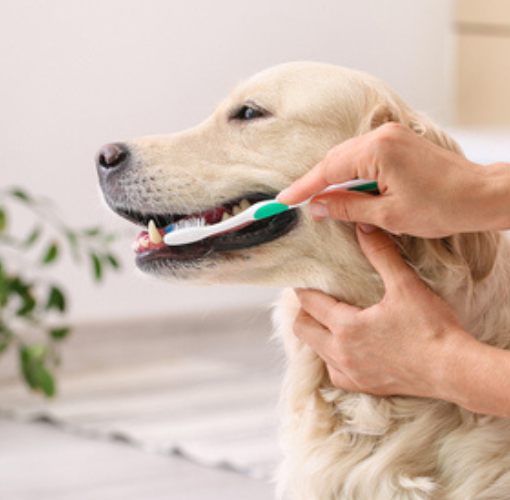
Home Oral Hygiene Guide for Pets Maintaining proper oral fitness is a key to your pet’s widespread fitness. It is similar to with us, wherein your pet additionally undergoes many styles of oral conditions that if left on my own, can turn out to be very destructive to their fitness. One of the most not unusual fitness troubles in pets is dental ailment. According to one of the leading veterinary dentists, over 70% of cats and eighty% of puppies show symptoms of dental disorder by the age of 3. The maximum not unusual troubles include plaque and tartar buildup, gingivitis, and periodontal sickness. These conditions, if left unattended, may also lead to pain, loss of enamel, and infections which can without difficulty unfold to different components of the frame, inclusive of the coronary heart, liver, and kidneys. Here is our guide to pet dental care and the way first-class to take care of your companion’s valuable enamel: Critical Reasons Why Pet Dental Care Is Important Here is why dental care is important: 1. May Help Prevent Dental Disease Dental issues are something my veterinary practice skilled way too frequently, and it is basically because of the fact that a maximum of puppy parents don’t think their partners can fall sick to dental troubles like humans do. Regular pet dental care can save you many oral sicknesses together with periodontal disorder (additionally called gum ailment), gingivitis, and ulcerative stomatitis. 2. Reduces Tooth Loss Periodontal disorder, if left untreated, is painful and could result in enamel loss. To boot, missing enamel will impair your canine’s ability to chunk food mainly due to digestive issues. By addressing dental issues early, you could help your puppy keep a complete set of healthy enamel, which promotes proper nutrition and universal fitness. 3. Supports Overall Health Impact A pet’s oral fitness will have a splendid impact on their ordinary health properly-being. Poor dental hygiene may additionally sooner or later lead to infections that in the end make contributions to systemic problems-affecting essential organs just like the coronary heart, liver, or kidneys. Good oral health helps lengthen and enhance the quality of existence of pets. 4. Fresher Breath Few matters are worse than showering your pet with affection, most effective to be greeted by using a mouth complete of stench. Fortunately, this not unusual hassle may be very easily addressed through ordinary puppy dental care. That manner, you could move right back in your cuddle classes without worry of bad breath spoiling the fun. 5. Prevents Costly Treatments By searching after your pet’s dental health now, you could prevent yourself from paying for any high priced oral treatments down the line. Many fitness troubles attributable to bad dental fitness require surgical procedures and extractions, which as you could have already guessed, are pretty high-priced. It’s better to start investing in your puppy’s dental care at once to lessen the chances of your furry buddy growing oral fitness problems AND having to pay for costly tactics. If you have puppy coverage, test their policy on dental care, as many do no longer cover a few dental tactics. Ways to Improve Your Pet’s Dental Health Here is how you can improve the dental health of your pet: 1. Select the Appropriate Toothbrush and Toothpaste If you check out the dental care aisle at your local pet store, you will see how many products are available to you for keeping your pet’s teeth in good shape. From basic toothbrushes to rubber finger brushes, you can bet that there will be one to fit your buddy’s comfort. Plus, most of the toothpaste formulated for pets comes in flavors your buddy will love such as bacon and peanut butter. If you do not know what to use, then you should call your veterinarian to give you their professional opinion. 2. Select the Best Time You can pick a time when your pet is relaxed and calm so that this experience of brushing his or her teeth may be less stressful for you and your pet. Avoid picking the best time to brush immediately after meals because your pet will not be very cooperative with a full stomach. 3. Slow and Steady Wins the Race Start with short classes to get your puppy conversant in the system and then steadily increase to the frequency you are cushty with. I notably suggest brushing your puppy’s tooth at least as soon as a day, but if this is now not sensible, the minimum advice is at least three times every week. 4. Lift Lips and Brush Begin by lifting your puppy’s lips to reveal the tooth. Start with the front ones and paintings your way again. Use mild circular motions that target the outer surfaces of the enamel. The gum line is the most important location due to the fact that plaque has a tendency to accumulate. 5. Be Patient and Positive Patience is the phrase when introducing dental care. If your pet resists, take a detour and strive again later. Also, don’t forget to reward your puppy with praise or a small deal after each success consultation to create positive associations with enamel brushing. 6. Alternatives Some pets just refuse to cooperate with a toothbrush, and that’s good enough! In that case, bear in mind alternative dental care options which include dental wipes or pads designed to smooth a pet’s enamel and gums.  Dental Chews and Toys There are numerous dental chews and toys available today. These are meant to help eliminate plaque and tartar while entertaining your pet. They are indeed a true win-win for both pets and their owners. Look for products endorsed by veterinary professionals to ensure they meet safety and effectiveness standards.  Professional Dental Cleanings Scheduling regular dental check-ups with your veterinarian is an easy way to upkeep your little buddy’s oral health. Most veterinary practices offer professional cleanings that address plaque and tartar buildup brushing alone may not have been eliminated. Your veterinarian can also identify potential issues

Read More
pet grooming and nail trimming

Pets grooming and nail trimming at home

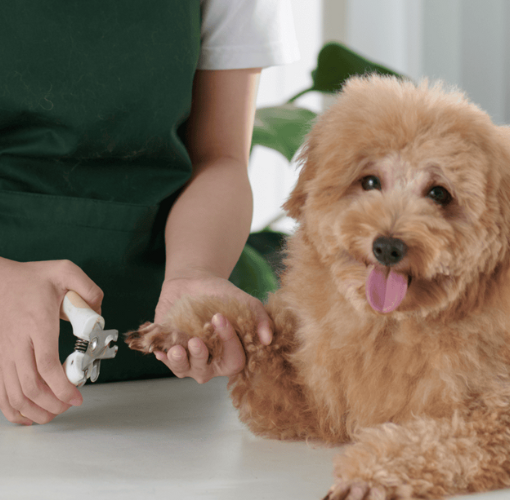
Home Pets grooming and nail trimming at home While owning a pet you are not only expected to feed it or take it for a walk for example. Bathing and nail clipping as part and parcel of pet care not only make your pet hygienically presentable but will also lead to a healthier and happier pet. Even though you can have all your grooming done professionally, grooming and nail trimming at home can be cheaper, convenient and a good way of bonding with your pet. This blog post covers the complete details about grooming and nail trimming your pets right at the comfort of your home; the tools, the methods that we recommend, and essential tips for making your pet comfortable throughout and after the grooming. Why Grooming and Nail Trimming Are Important Here is why grooming and nail trimming are important: Health Benefits Here are the health benefits: Skin and Coat Health: Cleaning helps to rid the skin of debris and dead skin cells that if left on the skin may lead to infections while on the coat, it gives it a shiny look. Prevention of Parasites: The brushing and feeling of your pet’s coat allows early identification of fleas, ticks and other parasites easily. Nail Health: Pathological nail growth often results in pains, ordered walking, and injuries at times. Behavioral Benefits Comfort: Clean pets are comfortable and free from matting that may in turn cause the pet a lot of discomfort. Bonding Time: Grooming is great fun, besides, it can help improve the level of trust between you and your companion animal. Aesthetic Benefits Here are some aesthetic benefits: Well-Groomed Appearance: Clean and well-groomed skin serves your pet in the best way possible and claw clipping is also paramount. Reduced Shedding: Brushing reduces hair loss thus maintaining cleanliness in your compound. A List of Prosthetics and Complimentary Equipment Needed at Home Investing in the right tools makes grooming at home more effective and enjoyable: Brushes and Combs: Apply the brushes that are most suitable for a particular type of fur with pets; these include the slicker brushes, bristle brushes as well as combs. Shampoo and Conditioner: Select pet-proof and hypoallergenic products for baths for your pet. Clippers: Premium pet clippers for shaving hairs. Nail Clippers: Professional pet groomers should use scissor style clippers, or the guillotine style because they are easier to maneuver. Other Essentials Here are some essentials: 1.Towels: To dry your pet after giving him or her a bath. 2.Ear Cleaner: To maintain ear hygiene. 3.Toothbrush and Toothpaste: Specially designed for pets. How to Take Your Pet for Grooming? Here are some steps on how to take your pet for grooming: 1.Making Comfort Level Find a quiet, well-lit space. It has been observed that pets may slide or slide back on a clean floor; therefore, you should use a non-slip mat. Have rewards easily accessible so that you can consistently reinforce good behavior among them. 2.Acclimate Your Pet Do not use grooming tools at once or immediately. Allow your pet to investigate the tools and therefore expose them to positive reinforcement. Have a short grooming session initially and then gradually extend the time for the grooming sessions. A thing that anyone who is in charge of a pet needs to know is the type of coat and nail of their pet. This means that some dog breeds with long hair will need grooming more often than the ones which have short hair. Owners of black-nailed pets require more care when clipping nails to prevent the accidental cutting of the quick. Essentials to a Proper Grooming Process Here are some essentials to a proper grooming process: Choose the Right Brush: There is a slicker brush helpful in a case of tangles and matting and bristle brush for smooth coated dogs. Start Gently: Start at the scalp and move towards the ends, use the strokes in the direction of the hair fiber. Focus on Trouble Areas: Be careful of the parts of the coat that tend to develop matting, such as behind the ears and under the legs. Bathing Here are some bathing tips for your pets: Prepare the Bathing Area: Water should be warm, not hot or cold and the only shampoo to be used should be for pets. Wet the Coat Thoroughly: Do not allow water to get into your pet’s ears or eyes. Lather and Rinse: Rub the shampoo on the coat and wash the coat until all the Shampoo is washed off. Drying: Towel off gently and only use a pet-safe, after-bath blower if needed. Trimming the Coat Here are some tips for trimming the coat: Choose Appropriate Clippers: Clippers used should be for the length and type of the pet’s coat. Work in Sections: Trim it in small sections in order to get maximum flatness as possible. Be Careful Around Sensitive Areas: Do not shave with a blade that is close to the skin. A Simple Guide to Nail Trimming Here is how you can do the nail trimming: Inspect the Nails Wash and dry the nails and find the position of the quick, if you are going to trim them. Its dark nails may take a bit of scrutiny under a fluorescence using a torch at times. Start Trimming Choose from the available clippers or a grinder depending on your pet’s nail size. Take small incisions that will not affect the quick of the scissor. Abuse a grinder to smoothen out bladed extremities. How Often Should a Dog Be Groomed and Their Nails Trim? Here are some tips on how often you must groom your dog: Dogs: Brush 1-3 times a week and bath at least once a month, nails should be trimmed every 3-4 weeks. Cats: Brush once or twice a week and cut nails after every 2 to 4 weeks. Small Pets: You can shave and cut nails where necessary according to the species type of the animal. Final Thoughts Self-employment in pet grooming and nail trimming is satisfying

Read More
Flea Worm Tick Treatment Pets

Flea, Worm & Tick Treatment for House Pets

Home Flea, Worm & Tick Treatment for House Pets Dogs and cats as house pets relieve stress and bring so much happiness to families. But they need special attention daily as they can be affected by parasites, including fleas, worms, and ticks. Besides being unpleasant to your pets, these worms cause several adverse health effects if not treated as follows; This guide will give you all the information you need on how to control fleas, worms, and ticks for your pet to live a happy healthy life. Why the Treatment of Flea, Worm, and Ticks is Important Parasites like fleas, worms, and ticks pose critical threats to your puppy’s health: Fleas: They are directly accountable for allergies and skin rashes, at the same time as intense infestations result in anemia. Worms: Gastrointestinal worms like roundworms, tapeworms, hookworms, and heartworms can also upset your puppy’s GI tract, mess with their weight, and doubtlessly kill the one that you love if left untreated. Ticks: Besides Lyme disease and Ehrlichiosis, ticks are recognized to transmit illnesses that can complicate the health of pets and people. As for these threats, handiest the preventive and proactive remedy is powerful to suppress them and shield your puppy and your family. Diagnosis of Parasite Infestations Here is how you can diagnose these infestations: Flea Symptoms Scratching and biting: Cats especially are always scratching themselves, usually around the neck and the tail. Visible fleas or flea dirt: There may be Tiny, black specs (flea dirt) or adult fleas easily seen on the animal’s body or in its fur. Hair loss or skin infections: Flea allergy dermatitis results in skin itching and hair loss. Worm Symptoms Diarrhea or vomiting: Most of the time intestinal worms affect the normal digestion processes in the body. Weight loss: Any fluctuation in weight that is outside of people’s usual diet and has not been intentional. Pot-bellied appearance: Found in young cats and dogs. Visible worms: Worms or pieces of worms might even be seen in diarrhea or stool or around the anal region. Tick Symptoms Visible ticks: Most of these parasites tend to cling around the ears, underbody, or the armpit region. Skin irritation: The sign may include inflammation or reddening around the area where Ms. Consulting with a dermatologist or skin doctor to observe the skin health. Lethargy or fever: Some of the things that might make you suspect the disease could be due to ticks include. Flea Treatments Fleas are so adapted to living a lifestyle of parasitism and are highly reproductive, hence the need to act on any sight of them as early as possible. Here are common flea treatments: Spot-on Treatments: When developing topical solutions, the preparation should be placed between the second pair of shoulders. Top brands that are used are the Frontline, Advantage and Revolution. Oral Medications: Parasites such as Capstar and NexGard eliminate fleas instantly and keep working for hours. Shampoos and Sprays: Flea shampoos and sprays are useful in offering instant solutions. Environmental Control: Use a canister vacuum if they have fleas on their carpets, wash the pet bedding, and use sprays around the home to get rid of fleas eggs and larvae. Worm Treatments It is very important that you deworm your pet on a consistent basis. Worm treatments are categorized by the type of worm: Broad-Spectrum Dewormers: Some of the wormers include Drontal which treats various types of worms with a single dosage as does Panacur. Specific Worm Treatments: Medication specific to tapeworms such as praziquantel or worms known as roundworms such as pyrantel. Puppy and Kitten Deworming: The young pets have a specific deworming schedule of the first two months at two, four, six and eight weeks. Preventive Measures: Don’t feed your pets outside, scoop feces daily, and avoid letting your dog’s consume raw meat. The warmness in Dubai is extreme, and it can be lethal for dogs. Take your dog out early in the morning or during the night time to keep away from heatstroke, and commonly take a look at the ground temperature before taking them out. If it’s too hot on your bare toes, it is too warm on your canine’s paws. Tick Treatments Ticks can be almost unnoticed but they are as deadly as fleas. The following treatments can help: Spot-on Treatments: These are effective in tick’s prevention and also in removing the ticks. Tick Collars: Preventive collars give the pet months of protection from ticks in a single fitting. Tick Removal Tools: Safe tools can be used to extract ticks without reservation mouthparts to remain in the skin. Yard Maintenance: Maintain your lawn short and clear up fallen leaves so as not to harbor these ticks. Age and Weight: Medications are often formulated for specific age and weight ranges. Species: Some treatments suitable for dogs are toxic to cats, and vice versa. Lifestyle: Outdoor pets may require more robust protection than indoor pets. Existing Health Conditions: Always consult your veterinarian if your pet has preexisting conditions. Routine Check-Ups Such diseases cause symptoms that alert the vet to check for potential parasitic conditions during a routine checkup. Grooming Take your pets for a bath frequently to feel and look for fleas or ticks and always ensure you groom their coats. Clean Environment Carpets should be vacuumed, pet bedding washed, and yards should also be cleaned well to avoid breeding of the parasites. Nutrition Dietary health is important because it’s a major defense against parasite infestation, meaning that a healthy diet will have a pet with a strong immune system against those parasites. Preventive Medications Give your pet flea and tick precautions each month and follow proper deworming schedules suggested by the veterinarian. Parasites: Several Natural Home Treatments. While traditional treatments are highly effective, some pet owners prefer natural alternatives: Flea Comb: Flea comb- It is used to comb off the fleas off your pet without involving any chemicals. Essential Oils: Lavender and eucalyptus for example help repel fleas and ticks but they should be used interactively. Apple

Read More
what to know before getting a pet

What to look for before buying a new pet?

Home What to look for before buying a new pet? Finding the perfect pet to adopt can feel a bit like locating “the only.” But with animals, much like with human beings, it takes more than love at the start sight to make for a wonderful date. Consider what form of pet would fit your needs, your own family, and your lifestyle. On a median day, around 100 animals are waiting to find their all time homes at Animal Humane Society. With so many ability fine buddies to pick out from, right here are five things to don’t forget when looking for your best match. Time commitment How much time are you able to devote to a pet? Think both hours within the day and years ordinary. Dogs and cats can live 15 years or more, whilst small critters normally stay less than 10. Consider your plans for destiny and the way an animal suits them. For example, in case your dream is to journey the sector, take into account in which your pet will live while you’re gone. Also take into account the every day determination each bushy pal needs. Dogs require potty breaks, exercise, and (in lots of instances) schooling. Cats and critters can generally be left alone for longer intervals of time, however they nevertheless need everyday attention and deserve your love and interest. Knowing how much flexibility you have to your time table earlier than adopting will help you determine what sort of pet is proper for you. Costs You might be surprised at how much opening that wallet can cost for your furry family members. Consider the initial and ongoing costs of owning a pet before adopting. These may include: Orange cat Adoption fees Food Grooming Obedience training Pet supplies Licensing Veterinary care Boarding/pet sitters Emergency medical needs Unconditional love can add up quickly. Is a dog, cat, or critter in your budget? Other pets While you may want a house full of furry friends, consider how it will affect your current pets’ wellbeing. Will they be happy to share their home with a new fur sibling or do they prefer the routine and individual attention they receive now? Our pets can’t speak for themselves so consider: Their energy level Their usual reaction to new animals Their prey drive (when introducing a small pet to a house with a resident dog) Any medical or behavioral issues that might make introducing a new pet problematic If you are adopting a new pet, remember, oftentimes it takes time and focused effort before all live comfortably together. Ensure you are dedicated to making it a smooth introduction. When bringing a new pet, we also advise starting with a separation period, because well-planned introductions increase the likelihood of a good outcome. Consider how you will separate the animals when your new pet arrives home. Other family members Other members of your household should meet prospective pets before you decide to adopt and bring them home. You should also consider: Allergies Fear or aversion to animals Expectations on pet care responsibilities Approval of the landlord If you’re a lessee or renter of a house, consult with your landlord before adopting to decide if you are allowed to have a puppy and that you can find the money for any more pet deposits. Unfortunately, pets are every so often returned due to lease prohibitions, breed bans or disapproval by the landlord. Choose your breed wisely Your lifestyle will greatly determine the dog breed that’s right for you. Another factor is your reason for getting a pet. Are you looking to get a great family member with a dog? Consider the ages of your children, your family’s lifestyle and the size of your home or your living quarters. If you live in an apartment for instance, you may forget about buying a Labrador. These large dogs need a lot of space. You can be particularly stressed having a small apartment with such huge dogs as their thick long tails may knock some of your most valuables out of shelves. Similarly, a Husky pup is not for you when you have a hectic lifestyle. This large and active canine wishes for a whole lot of exercise and walks. You do no longer want it to lose interest and turn out to be unfavourable in the home. Pick out your breeder carefully You’ll get the best puppy from a good breeder. Here we’re talking about getting a well-groomed, healthy pup that’s kept in a good environment. A good breeder is passionate about the animals and will always have the genuine interest of the animal at heart. Buying from such a breeder means you are assured of good pedigree and a healthy animal. With this in mind, stay away from marketplace websites. Puppy farmers often use such sites to sell fast and earn quick money. A seller who is only interested in making profits may not have enough regard for the puppy’s health. Consult your veterinarian Your local vet should have some reliable breeders on their books so it’s important that you talk to them. Once you have the pup, set up an appointment with the veterinarian to have them examine it. The specialist may detect any acquired, potential or congenital problems before they become serious. They can also help in coming up with a schedule for the pet to have the needed vaccines. Do I know how to take care of a pet? When you are planning to get a companion animal for your family, it is your duty to fully research the basic requirements of your chosen animal. This should be done before thinking about adopting/purchasing your animal and before bringing them home so that you are fully informed about the species-specific needs of your companion animal and so you’re prepared to take good care of them. You can look for an informative book about your chosen species and other information about your breed/crossbreed. Will a pet fit into my lifestyle and

Read More
Pet lifespan guide

How long does a pet live?

Home Pet lifespan guide in dubai A new puppy is a large commitment and might be a totally long one certainly! If you are thinking of getting a puppy, check how long you can be worrying for them. As loving proprietors, of course we need our pets to stay as long as possible. But lots of things can change in our lives, so whilst you’re making the decision to feature a brand new 4-legged pal to your own family, how lengthy they may be going to be with you may have a huge effect on which pet you get. Your new pet will be your partner for their lifetime, so ensure you consider cautiously how a decade (or greater!) lengthy dedication will fit into your destiny plans. It’s important to have an excellent idea of ways long your puppy could be with you, before you are making the selection to deliver them domestic. How long will my dog, cat or rabbits live? There’s no way of knowing exactly how long a pet might live – it’s rather like asking ‘how long is a piece of string’. We can make estimates from research that has already been undertaken, but every pet is different and these ages should only be used as a rough guide. Assuming that your pet leads a healthy, active life that isn’t cut short because of disease or trauma, they could live a very long time indeed: Dogs: The average dog lifespan is 14 years, but there are reports of some living into their 20’s! Size-wise you’re looking at, on average: Small dogs living between 7-14 years Medium dogs living between 8-13 years Large dogs living between 5-13 years. Cats: Studies have shown the average lifespan of a cat to be around 14 years, but that is merely an average; a well-maintained cat would potentially live much longer with reports of cats living well into their 20’s. Rabbits: On average healthy rabbits can live about 7-10 years which surprises a lot of people! Again, that’s an average age, a domestic rabbit in America once lived to 16 years, so be prepared to have your bunnies potentially a lot longer. Horse: If you’ve ever wondered why cowboys in old movies seemed to have an unusually strong bond with their horses, it’s probably because a horse had about the same lifespan as a human in the 1800s. Horse owners actually have to consider forms of elder care for their aging steeds — which isn’t really too much of an issue if you’re wealthy enough to own a horse. The longevity of a horse is 25-30 years. Parakeet: The lifespan of a parakeet is 5-15 years. Why such a big range for such a little bird? It’s because there are so many factors that can contribute to a parakeet’s life expectancy — and some parrots can live up to 50 years. As The Nest explains: “Life expectancy of your pet bird is dramatically reduced if he is not given a proper diet. Give him high quality bird seed mix and pellets.”. It is wise to alternate the two to have the best nutrient mix. Fresh fruits and vegetables also should be included in his diet. He will relish leafy greens, pieces of apple or pear, melon, carrots, broccoli, pineapple and tomato fruit. Never give chocolate, caffeinated or carbonated beverages, tomato leaves, raw peanuts, avocado, fruit seeds and pits, rhubarb, potatoes or alcohol to your parakeet. These will poison your birdie and probably kill it.” How much will my pet cost over their lifetime? If the potential lifespan of your pet has come as a surprise, you’ll definitely want to research how much they could cost over their lifetime! We have some approximate figures to get you started: Dogs could cost up to £30,800 (depending on size) Cats could cost up to £24,300 Rabbits could cost up to £15,000 (based on a pair). What affects how long my pet lives? One of the maximum figuring out elements in how long your puppy will stay is their fitness. The wrong diet and absence of exercise can trim years off your puppy’s life expectancy, that is one of the reasons why keeping them satisfied and healthy ought to be at the top of your list. You can find more about caring for your pet in our free pet care guides. Diseases and other illnesses can also decrease your pet’s life expectancy. Like people, our pets can be poor at any time. Some breeds of dog and cat can have a higher incidence of sure existence-proscribing situations (including cancers and coronary heart conditions), so it is very critical to research very well before selecting the puppy for you. You can locate more facts on our breed pages. Simple chance may also determine how long your pet lives. If you have an outdoor-roaming cat, for instance, they may get involved in a road traffic accident. We are not saying that you should wrap your pet in cotton wool and never let them leave the house, but make the most of all the time you get to spend with them because you never know what may happen next. Tips to increase your pet’s lifespan Here are some tips: Establish a Healthy Diet Routine A healthy diet is required to keep your pet healthy for years to come. What your pet requires is rather hard to figure out in most cases, especially in cases where the pet may have special needs.  Make Them Exercise Regularly Like human beings, animals need to get their everyday exercising to maintain them now not only healthfully but also gladly. Simple physical activities which can increase their fitness and mood are taking them for a walk day by day or throwing the ball round. Remember to take them on further adventures during the weekends. Keep Their Minds Stimulated Pets can get bored doing the same thing every day. If you have to work long hours, provide them with toys that are stimulating.

Read More
healthy diet for elderly cat

Healthy diet for elderly cat

Home healthy diet for elderly cat As your cats age, a number of variables change – from their level of activity to their energy needs and overall health-and so should how you care for them. While your cat’s food and food regimen usually needs to be tailor-made to their character desires, also deciding on the right vitamins for their life degree can help them stay longer, healthier lives, too. Cats are obligate carnivores. That is to say, in order for them to be able to survive, they must consume meat. While dogs have evolved and been able to digest the starches that are contained within plant carbohydrates, cats do not have this capability. So, they need protein from meat to power all of their bodily functions as well as to build up and repair their organs and tissues, including blood and skin. The ideal balance of nutrients for mature cats Cats need 41 nutrients to maintain their health. Formulations that are ‘complete’ and ‘balanced’ provide a mix of protein, fat, carbohydrate, minerals, and vitamins for the proper amount and balance needed by your pets. However, as cats age through their life stages, the demands change, which is why some cat foods are designated as ‘kitten’, ‘adult’, or ‘senior’. Getting the right nutrient balance in cat foods for older cats is important as our feline friends have really specific needs regarding protein, amino acids, and vitamins. Cats have a very high protein requirement, and deficiencies in some amino acids and vitamins are quickly occurring. As they age, senior cats have a tendency to grow to be thinner, dropping both fats and muscle mass. Research has proven that cats’ capacity to digest both protein and fat decreases as they input their senior years. Fat carries more energy in step with gram than protein or carbohydrates. So, it’s vital to feed an excessive human-grade, species-suitable food plan, inclusive of high-quality protein and fats, to getting older cats, to offer them without problems digestible energy. Which foods to give senior cats with disease? Chronic kidney sickness is a very not unusual disease of older cats. In such instances, phosphorus ranges inside the weight-reduction plan ought to be managed, even though this doesn’t always translate to a low-protein food plan. Rather, it is the best of the protein that desires to be reassessed. For example, this might suggest transferring from a kibble weight loss plan in which grain may be a part of the protein supply to a sparkling meals food plan high in meat or fish and no grains. Your vet may be capable of endorsing what to feed an aged cat, so constantly speak to them earlier than adapting your cat’s weight-reduction plan, and bear in mind to introduce any feeding modifications steadily whilst assisting your cat’s digestive device with puppy probiotics (useful gut microorganism). Many senior cat diets include ‘purposeful ingredients’, with ingredients which can assist to improve a cat’s high-quality of lifestyles as they mature. These encompass extra vitamins and minerals to guide healthful cognition and memory, and Omega-three fatty acids, from resources inclusive of fish oil or New Zealand green-lipped mussel extract, to assist keep joint fitness and decrease irritation. Fatty acids can also assist hold your cat’s skin and fur healthy. Feeding an older cat at mealtimes Make your older cat’s mealtimes more enjoyable with a balanced and palatable diet, digested easily. Older cats often decrease their appetite either because they lose some sensation of smell and taste, or simply because their older mouths cannot chew their food as efficiently. The hydration of a senior cat has to be maintained alongside fostering a good appetite. This is important: Feed your cat small meals: older cats may be content to eat small amounts of food up to 10 or 12 times a day if they are finding digestion more difficult. Serve food at room temperature, or slightly warmer, so that your cat will be able to smell and taste its food better while making its food more digestible. Make sure you feed a high-quality: Easily digestible senior cat food that contains little to no carbohydrates. A diet high in moisture is essential for a senior cat, so try to provide multiple bowls of water around the house-or a small bowl of pet bone broth can help. A little goat’s milk added to food may also stimulate appetite while keeping your cat hydrated. Regular health check-ups: Regular checkups with your vet should be arranged for your cat so as to vigilantly monitor its health and check whether any possible ache from dental issues might have caused them to deter appetite. Obesity and the Older Cat Older cats are not different than younger cats in terms of eating or hunger, but lifestyles do. Cats are natural predators. They track and catch prey, which they must eat immediately throughout the day. Many cats now live indoors where there is little opportunity to run around, and the food bowl is there whenever they want to eat. In addition to the more sedate lifestyle of cats, a lot of their food also tends to be calorie-laden. Dry foods are notably calorie-rich. And small as cats are, a few excess calories per day can multiply quickly. How do you keep your cat from getting fat? Here are some tips for keeping your aging cat’s weight under control. Read the label on your cat food package: It should contain a guaranteed analysis listing the percentage of the food that is crude protein, crude fat, moisture, and crude fiber. If this makes no sense to you (as it doesn’t to many pet owners), check the manufacturer’s web site for more nutritional information or call the company directly and ask. Don’t give your cat too many calories: A typical indoor cat requires about 50 calories per kilogram per day. So that may be up or down a bit depending on what kind of health and activity level that particular cat has. Use portion control: You may need to

Read More