Peshi Pets

Sacdswqe

Cat Aggression Behavior

Cat Aggression Behavior

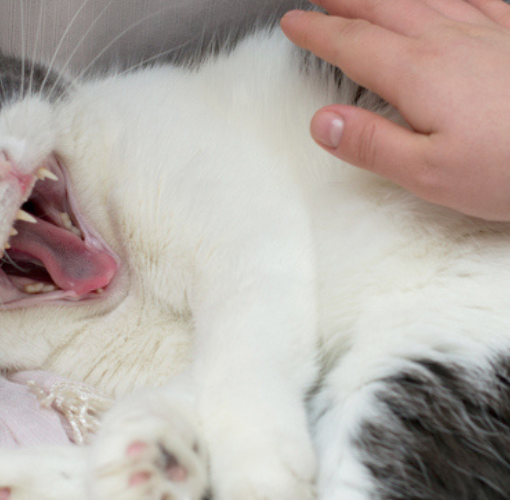
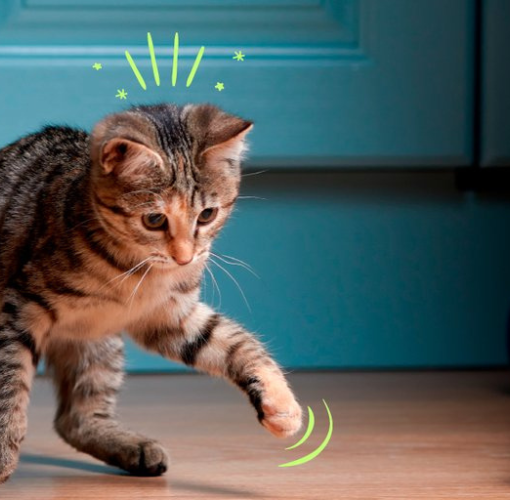
Cat aggressive behavior, how to stop it If you’re a cat parent, you might have noticed that sometimes their behavior is rather mysteriously inaccessible. And that’s after they begin performing aggressively. Their aggression would possibly appear like hissing, growling, swatting, or even biting. Although this may be difficult to apprehend, it’s far from a joke. Whereby, your cat will try to convey a message whenever it is aggressive. That’s not just about stopping the aggression; you want to know what the cat needs and whether it feels happy and secure. What Is Aggression in Cats? Aggression in cats refers to a hard and fast of behaviors that seem threatening, antagonistic, or hurtful. This can be performed closer to other cats, human beings, or maybe items that lie across the house. You would possibly word your cat hiss and growl and swat their paws. In excessive instances, they may even attempt to bite or scratch. Every cat is one-of-a-kind, and they’ll express aggression in exclusive ways. However, it appears, aggression is an indicator of stress, fear or anxiety due to something. They express it towards a situation as a means of defense or regaining control over themselves of the frightening or intimidating situation that had them freaking out. What Causes Aggression in Cats? There are several categories of cat aggression, including territorial aggression, fear aggression, and pain-induced violence. The important thing to realize is that every type of aggression tends to have a unique cause and needs to be handled differently. Here are the kinds of common types & cause of feline aggression: Fear Aggression This is when the cat would feel threatened or scared. Cats will hiss, growl, or even puff up their fur for appearance to look more threatening in a way of keeping it away from what’s placing the threat. Pain-Induced Aggression When the cat is in pain, then they’ll behave aggressively, either swatting at or biting at their surroundings. Territorial aggression Cats are territorial animals and might come to be competitive in the event that they feel that a person or some thing is encroaching on their territory. Such triggers might be some other pet, a person, or a change in environment. Redirected aggression A cat could become frustrated or upset about one thing but cannot respond appropriately to it. They may then redirect their aggression on someone or something else nearby. Play aggression Cats, especially kittens, are vicious during play. If the resultant behaviors such as pouncing or swatting are not aimed at toys or are not controlled, then the play may escalate to more severe aggression. Sometimes, a defensive mother cat might be aggressive. It is possible for this natural defensive action sometimes to become biased towards owners or other house pets. Inter-cat aggression This directs the aggression toward other cats. It can be a result of various reasons, including territorial disputes, fear, or dominance behaviors. It is quite common in multi-cat households. Wherever you think that your cat’s behavior has gone wrong, consulting a vet will really help you in the right direction. They are better equipped to provide you with insights that you will need to assist your feline friends effectively. Warning Signs & Symptoms of an Aggressive Cat Since cats express their emotions through body language, careful observance will help you know when a cat is bothered or threatened. Sometimes the indications are less obvious and sometimes they are quite explicit. The majority of feline aggression indicators include: Change in Body Language: Look out for such signs of tension or alertness as an open pupil, flattened ears, and tensed posture. Vocalizations: Listen for unusual growls or hissing instead of purring, which means discomfort. Physical Signs: Notice an erect tail with raised hairs, arched back, or swatting motions to tell them to “back off.” Fear Indicators: Find flattened whiskers, tucked tail, and raised head when on the ground as signs of fear. Aggressive Actions: Be careful of scratching or biting as these may be done even when the cause of stress has not let up. How to Manage and Prevent Feline Aggression Knowing what triggers your cat is the key to managing and preventing aggression. If it is a person, another pet, or some situation, best to avoid those things as letting your cat know that you can control that situation. Then of course, there is mental stimulation-they all get bored-and not letting them when they are bored prevent aggression. Keep your car away from crowded environment For instance, if your cat is sensitive to crowded environments, you can offer him some secluded sanctuary in your house that will help a bit. You can add some irresistible things to the sanctuary, such as toys or catnip, and create the perfect sanctuary for him. Make sure your cat is in good health Another thing, make sure your cat is in good health. Certain problems like hyperthyroidism can trigger aggression. Regular checkups by a vet can detect the problem and treat it early before such pain or discomfort that might make the cat use aggressive means of communication arise. Keep your pet away from stress The nice path of movement whilst your cat is appearing aggressive is to leave it by myself to chill out, as cats are creatures of nature that generally tend to decline interactions whilst feeling burdened; in any other case, the cat may turn out to be more aggressive. Don’t let your cat become aggressive Aggression typically speaks to a more underlying matter, and reacting adversely only worsens the situation. You should not wait then to seek veterinary consultation if you are in doubt regarding how to handle your cat’s aggression. Their professional advice will lead you to strategies that suit the needs of your cat. When to Seek Professional Help? If the aggression continues and escalates or if it’s starting to pose a threat to themselves or other animals, they should see a professional. In this case, either one of these veterinary behaviorists or a veterinarian specializing in feline
Read More
how to raise kittens

How to raise kittens

How to raise kittens? With a cat, raising it from a kitten will allow you a great opportunity to develop a close relationship with your kitten. However, elevating the cat may additionally bring some challenges to you and your kitten. In addition to coaching them the way to use a clutter field, scheduling their kitten vaccinations, and making sure they’re receiving a nicely-balanced, entire weight loss program appropriate for his or her existence stage, your new kitten will also rely on you to assist in making sure they keep safety and hold to thrive within their new houses. Here are a few recommendations for elevating a kitten so that you can offer them a sense of protection and an enriching environment where they can thrive. Selecting a New Kitten Getting a confident, well-adjusted cat has much to do with which kitten you take home. Here are some tips to guide you in choosing the right kitten that can be able to meet your expectations after they comes into your home. An amiable kitten will eventually grow into an extroverted adult cat, but even more timid kittens can grow into confident adults if socialized well by their owners. Kitten-Proof Your Home Ensure to kitten-proof your home before bringing the kitten to your home. Tie the electric cords in neat bundles and locate them out of reach for your kitten. Put all small items, any poisonous plants for cats and insect traps out of reach. Close the toilet seat, kitchen cabinets, and lids or doors on washers/dryers. Block all other small spaces, like between the fridge and the wall and under cabinets, to prevent your kitten from hiding and getting stuck. Cover the Essentials Young kittens need a safe place to withdraw to something that helps them remember the early times when mommy and siblings surrounded them. A cardboard box with blankets or a cat bed can work well. For the primary year, kittens want greater protein and energy than adults, and kitten-formulated ingredients do consist of those requirements, so you’ll need to make sure the food you choose is for kittens. Slowly Introduce New Family Members When you carry your new kitten domestic, area them in a quiet room beside a bed, a litterbox, and food till they can settle in. Introduce circle of relatives participants one at a time; greater supervision is usually recommended with youngsters. Teach kids the way to cope with the kitten lightly and remind them to clean their fingers before and after touching the kitten. Prepare Other Pets If you already have pets at home, make certain that they’re in top fitness before welcoming a new kitten to your own family.. And if you already have a cat inside the house, then surely you will know how to introduce cats. If possible, introduce your new kitten to any cats who already live in the household slowly, preferably over weeks. Let them sniff each other’s scents on a blanket or towel on which the other has slept. Feed them on opposite sides of a closed door, so that they accompany their fragrance with something tremendous, like meals. Let them play with every different’s toys, use the identical litter field and food bowls, but retain to hold them separated. If neither cat suggests signs and symptoms of aggression, try to introduce them with a barrier separating them. This way they can see each other but can’t be aggressive. Then, if that goes well, gradually remove the barrier and allow the cats to initiate the interaction at their own pace, and ensure that each one has an area wherein they can retreat should they feel trapped. Never force face-to-face interactions between cats. Maintain Safe Playtime If you’ve got a dog at home, do not leave your new kitten by itself with them. You can introduce them with the dog on a leash. Prevent the kitten from running, so the dog doesn’t try to chase after them. And remember to reward all pets for their good behavior during these introductions. Rewards can look like petting, verbal praise, or play time, in addition to treats or food. Choose toys for the kittens- use only ones made especially for kittens small parts to be ingested. Kitten-sized stuffed animals or feathers on a fishing pole are fabulous ideas. Be an active supervisor when playing with any toys with strings, little bells, and/or rubber bands, which can be ingested and lead to severe health risks. Schedule the First Check-up Schedule your kitten to visit the vet quickly after you carry the kitten home. When you call the vet for an appointment, allow the receptionist realize that the kitten is new to your house. You may even need to jot down some of the questions you will need replied while you make the call. Discuss with your veterinarian spaying/neutering-your pet and it can help prevent lots of health issues and a great deterrent to overpopulation. Generally, kittens can be spayed/neutered at eight weeks-old-but you and your vet must decide when best for your pet. Give Comfort While You’re Gone Lock the kitten in one room whilst you are leaving and offer a mattress, litterbox, scratching submit, toys, meals, and water. If you are long gone all evening, you could need to add a nightlight or leave a mild on. You can even try playing some light music or talk radio. The sounds can be comforting to a kitten alone. Share Twice the Love Single kittens can get lonely — so consider a pair when you adopt. If you opt for simply one, an awesome way to help with loneliness is to wrap a ticking clock in a towel and region it near your kitten’s bed. The constant sound of the clock is comforting, reminding them of their mom’s heartbeat. Then further ease their stress by picking them up and speaking with them in a soothing tone. Conclusion These steps will take your kitten a long way in acclimating them to this new home, new

Read More
Best cat breeds for kids

How to choose cat for your kids?

How to choose cat for your kids? Bringing a cat to a family with small kids may be very happy and rewarding. Cats are very good pets, and they teach children a lot of important principles in respect to responsibility and human empathy. Not every breed and cat in general is worthy of bringing up with children. There are many points to take into consideration when picking a cat so that the home environment will be harmonious and safe for the feline as well as for the children. In this blog, we’ll give you some key considerations to assist you in selecting the right cat that is most likely to be more compatible with the children. Temperament For a family with children, temperament is one of the most essential things you should study when deciding on a cat. Ideally, you need one that is regarded for being friendly, affected and tolerant. Some cat breeds like Ragdoll, Maine Coon, and Siamese are recognised to be pleasant and sociable. Keep in mind, but, that personalities can range even within a breed. You should spend some time with the cat and study its persona with the kids earlier than you decide. Age of the Cat The age of the cat is also a very crucial aspect to consider. Kittens are usually energetic and playful, great for interactive games loving children. However, kittens require closer supervision and training to master good behavior around children. On the contrary, mature cats may be already settled and quiet for families with young children who are not ready to take care of a lively kitten. Another advantage of owning an adult cat is that you get to evaluate its temperament better. Socialization Good socialization is necessary in ensuring that a cat will be comfortable and therefore accepting the children. While picking a cat you should make a point to know its socialization. Cats that were exposed to children at a tender age or were previously in a family with children are likely to adjust well with children. The other thing is to get the cat acclimated to the children, providing the cat with a good experience for the children. Educate the children on how to be gentle to the cat but also on respecting its personal space for an even stronger bond with the pet and the kids. Energy Level It is also essential to consider the energy level of the cat as well as how well it matches your kids’ activity level. Some cats are lazy, while others are energetic and would love to play around. If your children enjoy playing actively and partake in other sports and then go back home, then the active breed of a cat such as Abyssinian or Bengal would suit them. But if your kids prefer a much quieter environment, you might rather have a moderate-energy British Shorthair or a Persian cat. Grooming Needs The grooming needs of the cat additionally want to be taken into consideration. Some breeds require greater common grooming, a good way to properly groom their coat for its fitness and look. If your kids need to use their grooming device, consisting of brushes, then that is an terrific opportunity for them to bond with their new pussycat friend. If your kids are too young or lack the passion for grooming, you can want a breed of cat that doesn’t ought to be groomed an awful lot. Allergies Allergies shape some other massive component when deciding on a cat for households with youngsters. One of the things you ought to consider about getting a cat is whether or not all of us within the circle of relatives are allergic to cats. Not that there are such breeds as cats freed from allergic reaction. Nevertheless, there are a few breeds that produce fewer allergens or cause much less of an hypersensitive reaction in touchy people. Thus, you would possibly desire to spend some time with an allergist and spend some time round extraordinary breeds of cats to see if you may go through any hypersensitive reaction. Adopted or Purchased Above all, however, whilst you prefer to have a cat in your own family, you may pick to adopt one from a safe haven or, if you nonetheless need that pure breed, you may purchase from a good breeder. Adopting a cat from the shelter does not best provide a loving home to a feline in need but also educate your children the price of compassion and giving lower back to the network. Shelters have many cats from which to select. You can easily find the proper cat in your family. In addition, safe haven workforce often provide insightful facts about a cat’s character and how it tends to behave with kids. Preparing the Home Environment Before bringing a brand new cat domestic, it is a superb concept to put together your house surroundings in protection and comfort for each cat and the children. Designate a unique area for the cat with a litter field, scratching posts, toys, and comfortable bed. Chemicals or different residence gadgets poisonous to cats have to be placed in safe storage. Educate children on cat care-invisible care, no longer pulling their tail or ears, and regards personal area.  Supervision and Education As with any cat, regardless of breed or temperament, there are times when this cat needs to be watched around children. There are times children may not fully understand limits or inadvertently hurt or frighten the cat. Instruct your children on how to read body language and be aware of signs that say a cat is uncomfortable or fearful. Urge your children to play gently and never wake the sleeping cat. Teaching them to respect and understand cats encourages a positive and safe relationship with them. Conclusion Choosing a cat to share your life with that gets together with children includes the caution of numerous factors consisting of temperament, age, socialization, power degree, grooming wishes, hypersensitive reactions, and adoption versus shopping for.

Read More
How to Choose a Bengal Cat

How to Choose a Bengal Cat

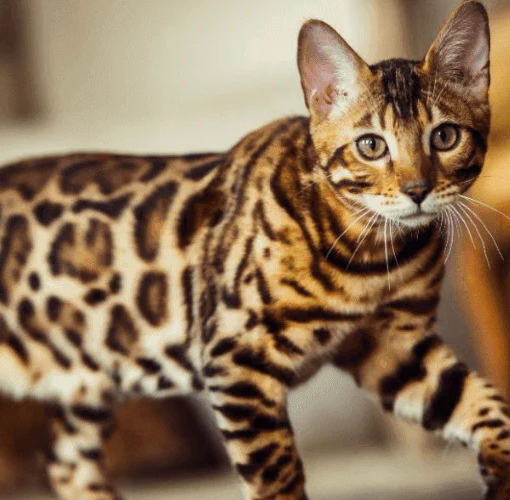
How to choose a Bengal cat? If you have decided you want a Bengal cat in your life, that is a good idea. However, choosing a healthy Bengal cat as your new best friend is not that straightforward. From specific information about the breed which might influence your decision to finding the right breeder, there is more that can make the process of adopting a Bengal cat a little challenging. In this article we will guide you on choosing the right Bengal cat as your new pet. Choosing the right generation If you want to buy a Bengal kitten, it is important to decide which breed of the generation suits you. There are two basic generation groups – the basic F1 Bengals, also called the early generation, and the SBT Bengals, Stud Book Tradition, which is a purebred Bengal at least 4 generations behind the ACL, that is, in at least 4 generations, all relatives of the animal were Bengals. All Bengal cats are similar. They have a beautiful spotted coat, slender and strong figure, cute muzzles and a delightful character. However, since earlier generations of Bengals are closer to their wild cat ancestors, the look and temperament is much like that of the Asiatic leopard cat more than is the case with the SBT Bengal. F1  Decide what type of Bengal cat you want to purchase There are two main types of patterns that exist within Bengals: spotted (or rosette) and marbled. The markings are different for every Bengal, but always in one of the two patterns. Bengal coat color comes in two of the most popular, brown or white (Snow Bengals) shades ranging from warm golden tones to creamy white. Some Bengals have a beautiful shimmering sheen to the coat, called glitter. Choose a reputable breeder You most probably must have made up your mind on what type of color excites you the most in Bengals, and now it is time to look for the right breeder. For your new kitten from the Bengal breed to be healthy and of good pedigree, you will have to look for a good cattery. There is always so much negativity toward breeders of any kind. Even the most trustworthy Bengal sellers face the same negativity because of the large number of dishonest breeders in their background. Reputable breeders often sell their kittens as “pets only,” meaning they sell them strictly under contract. Some above-average quality kittens may be sold for exhibition or breeding purposes. Brutal breeders give birth to kittens without any care for their future. Responsible breeders also often check on their breeding cats for genetic and health problems before breeding to ensure that the kittens they give birth to are of high quality and will be genetically healthy. Background check If the breeders in your list don’t have any Bengal kittens available for sale now or the particular kitten you wanted isn’t available for now, you can ask them if they know of another local breeder who can recommend an available kitten to you. This would only expand your initial list and give you a few more options to look through. You may not get a kitten at once. Some breeders are more selective or kittens have not yet come of age and need to stay longer with them. Regardless of what, they need to have proper living conditions for their cats. If kittens come from a place where they are not properly cared for and socialized, you risk having many problems with your new pet. Such problems range from several diseases and sicknesses, which the kitten can have to get from breeders, to problematic behavior that might be later hard to correct. Select Your Litter Bengals are so energetic and playful-they can be a pet for this reason, but they become true monsters if one does not socialize them on time or just ignores them. On coming to a breeder, it is essential to spend some time with the parents and observe their behavior. Of course, a Bengal cat and her kittens won’t be exactly friendly, but you’ll still manage to know if the cats are socialized and what kind of personalities they have. So, if you find one of the symptoms mentioned-above-unusual aggression, erratic behavior, or a strong odor coming from the litter box-consider that a warning sign. While ideally this process should minimize litter health worries, do not rely solely on the new breeder you have chosen. Inquire about the vaccinations and worming records, and ask to see the genetic screening of the parents. From there, you can decide if the kittens in this particular litter are prone to a certain illness and get a totally healthy pet. Look for their traits While Bengals breed for common traits, no two cats will be identical. However, all pedigree purebred Bengal cats have characteristics well-made through pedigree. It would be important to check if the kittens, and by extension their parents, meet breed standards. Each cat brought to show ought to have typical characteristics such as markings and coat color, lean body, and an excellent head. Male or female? When you decided to buy a Bengal kitten, it can be tricky to choose only one litter, especially if you have contacted several good breeders who just happen to have available Bengal kittens. If this is the case, you should narrow it down further based on other criteria. First of all, ensure that the breeder is always willing to help. This can really make all the difference if you have a breeder you can rely on for all your needs, particularly in those first few days with your new kitten. Selecting a Healthy Bengal Kitten In many cases people have chosen sex of a kitten just because they had the preference for one or another, but very often there is much misinformation which influences decision-making. People often believe that females are more loyal, and males are worse on the contrary. All Bengal cats have their own character regardless

Read More
Most Loved Dog Breeds

Most Loved Dog Breeds

Breeds of dogs loved around the world For thousands of years, man has considered the dog as his best friend. Over the passage of time, a whole gamut of breeds had developed with distinct characteristics, temperaments, and purposes. There are breeds that have gained people’s hearts due to loyalty, intelligence, playfulness, and beauty worldwide. Here is a look at some of the most loved dog breeds that won the world’s heart. Most Loved Dog Breeds Around the World Here is a list of most love breeds of dogs: Labrador Retriever The Labrador Retriever is ever ranked as one of the most popular dog breeds within the world, known for its type and gentle nature. Having originated from the province of Newfoundland, Canada, this breed became bred initially as fish puppies to assist fishermen get better nets and damaged loose catch. Today, the Lab has been considered one of the exceptional circle of relatives pets, provider dogs, and therapy animals specially because of adaptability and intelligence and capacity to undergo schooling. They have a smooth coat in black, chocolate, or yellow and tend to be very lively, requiring ordinary workout to hold them fit. German Shepherd The German Shepherd is intelligent and loyal. They are versatile working dogs and excel in police work and search-and-rescue to service roles for the disabled. This breed originated in Germany by the late 19th century thanks to Captain Max von Stephanitz, who set out to design an ultimate working dog. The German Shepherds have always proved to be so bold and determined. It is these protective instincts that allow them to be perfect guard dogs, too, but perfect family pets. Their sharp looks – tan and black or solid black – contribute largely to why they are extremely popular everywhere. Golden Retriever What is there besides a friendly, lively animal that has golden fur? Originally bred in Scotland, from whence come in all hunting dog kinds thus they hold innate desire to please inside of them and, indeed these dogs can be most successfully trained and thus represent good choices for families and therapy or assistance breeds as well. Interesting is how tender and patient this breed usually becomes to behave with children and other pets. Their loyalty and intelligence, as well as their loving nature, have made them a house favorite in many lands. French Bulldog French Bulldogs, or “Frenchies,” owe their universal popularity to the distinctive bat-like ears and playful affectionate personality. First developed in England as miniature bulldogs and later refined in France, French Bulldogs are nowadays much-favored city dogs for their diminutive size and for ability to thrive under the urban apartment lifestyle. Despite their small sizes, they have a very big personality and love being around people; therefore, they make great companions. Their minimal grooming needs, moderate exercise requirements, all contribute to their appeal. Bulldog The English Bulldog, with its wrinkled face and stocky construct, has turned out to be an iconic illustration of resilience and loyalty. Bulldogs were bred for use for bull-baiting in England, however later they were bred to be docile and affectionate. So, the Bulldog became an adorable family pet. They are pretty laid- back and enjoy an alternative easy-going life-style, so they’re first-rate companions for families and people who do not want an energetic friend. English Bulldogs are also loved within the United States and the UK due to the fact they preserve a unique cultural status there. Beagle Beagles are scent hounds that are characterized by keen smells and playfulness. These small game hunting dogs that were bred for the purpose were initially used in hunting activities. However, today Beagles have gained much popularity as pets because of their friendly and curious nature, as well as love for companionship. They come in tri-colored coats-that is, the three colors of black, tan, and white. In addition, they always carry around wagging tails. Beagles are often described as happy dogs, and most families love to have them with children around.  Poodle Poodles are popular for their intelligence and low allergenic nature. They exist in three sizes: Standard, Miniature, and Toy. Its origin is not known, but it is said that this breed came into the limelight from France. It eventually became a national dog of the country. Poodles are fashionable dogs with their curled fur but also highly trainable, even in obedience and agility competitions. They can be elegant-looking dogs but are very loyal and protective of their families as well. Their adaptability and minimal shedding characteristic also give them a great advantage among people with allergies. Dachshund The Dachshund, or “sausage canine,” is a hound of small length with long frame and quick legs bred at first in Germany for badger hunting. Dachshunds are playful, smart, and fearless; no matter their small length, they could display a completely large personality. Their specific form and expressive eyes have made them easily recognizable, and they are cherished for their affectionate yet impartial nature. Dachshunds are available in diverse sun shades and coat varieties-clean, wirehaired, and longhaired. And so, this makes them loved internationally. Shih Tzu Coming from historic China, they were bred as companions of the royal family. It’s known for its lovable disposition, being very friendly and affectionate. They have an extended, flowing coat that calls for everyday grooming, and as a consequence are best for people who experience fawning over their pets. Shih Tzus are normally playful, like staying near human beings, and settle without difficulty into apartment or house conditions, so they’re extraordinarily in demand in urban settings internationally. Siberian Husky The Siberian Husky has its sharp eye in shades of blue and multi-color, plus their thick double coat that says a lot about the survival capacity of this dog: endurance and wolf-like, in a nutshell. These dogs are bred by the Siberian people as sled dogs capable of survival under extreme colds from Siberia. They are an energetic breed that love going outside often. Of friendly and independent nature, they love exercising.

Read More
How to bath your pets with care

How to bath your pets with care

How to bath your pets with care? Bathing is a very important activity concerning the general health and hygiene of your pet. Whether you are a new pet owner or an experienced one, you must learn how to bathe a pet safely, stress-free, and effectively. Giving a bath to your pet can be challenging.  However, if you use the right techniques everything will become smooth. Understanding When to Bathe Your Pet Find out how often you should bathe your pet before you get started. It depends on the type of animal, breed, length of fur, and level of activity. Dogs:  Most dogs need to be washed after every 4-6 weeks, but the frequency is based on the lifestyle of the dog. For example, dogs that often roll in the dirty area or have oily skin must often be washed. Dogs with sensitive skin may be washed less often. Cats:  Cats are good animals and don’t need frequent bathing; however, they should be bathed if they are long-haired or have any sort of skin issue. Besides, cats like to get into the dirtiest, stickiest stuff, so a bath might be a good idea there too. Other Pets:  All the small animals, including rabbits, guinea pigs, or hamsters, should be bathed only when completely necessary, as excessive bathing of those creates many problems with their natural oils. Always refer to your veterinarian for advice on how often to bathe your particular pet. Preparing the Right Equipment Preparation is key to both you and your pet making this a much easier process. Here’s what you’ll need: Pet-friendly shampoo:  No human shampoos, which might chafe your pet’s skin. Find a shampoo specifically made for your pet. Hypoallergenic shampoos are best if your pet’s skin is sensitive or reacts to allergies. Conditioner:  This is optional but always good for pets with long fur or dry skin, helping to maintain a softer and tangle-free coat. Brush:  A brush will help your pet to detangle his fur before and after bathing, avoiding shedding and matting. Towels:  Soft towels are to be used when drying the pet after bathing. Large absorbent towels work better for larger pets. Non-slip mat:  You can place a non-slip mat in the bathtub or sink so that your pet does not slip during bathing The Bathing Process Now that your pet is ready, you can begin with the bath. Here is how to make it a comfortable session for your pet.  Step 1: Lukewarm Water  Fill your bathtub or sink with lukewarm water. Pets, dogs in particular and cats too, do not take to very hot or cold temperatures. Thus, keep the water lukewarm so that your pet will be more comfortable.  Step 2: Wet Your Pet’s Fur Drip, drip: pour small amounts of water onto your pet’s fur, pouring water from the neck down to the tail without splashing on the face and head. If your dog or cat has thick fur, make sure the water drips down to the skin. Step 3: Lather Up That Shampoo Pour a small amount of pet-friendly shampoo onto your palm and gently rub over the body. Do not overdo the shampoo amount because it is hard to wash off. Rub it on circular motions around places such as the paws, belly, and tail. Be gentle for the pet to relax with the experience. Step 4: Rinse Thoroughly Rinse your pet from head to toe. Be sure to be certain that all of the shampoo is out because any remaining soap can cause irritation to their skin. Be gentle with the cup or sprayer. Step 5: Clean Face Clean around the eyes, ears, and mouth using a damp cloth on the face. Avoid pouring water on their head; it may hurt them. On the face of it, be more cautious because most pets really are sensitive in that area. Drying Your Pet Dry your pet well after the bathing process, more so for breeds with thick or long fur. Towel-drying:  Take a big absorbent towel and put it over your pet. Then, gently pat them to remove all the dripping water, without any rubbing action at all. Rubbing can cause matting and irritation. Blow drying:  This is perhaps used on the lowest setting with long or thick-coated pets. Do keep it at a safe distance to the skin, and as the pet feels the air going through, constantly move it so the pet doesn’t feel hot. Some pets fear the noise; therefore, introduce them slowly using some treats to give them a reward for staying calm. Air dry:  For those pets who are short-coated, toweling over is probably enough but ensure that they are in a warm, draught-free location until completely dry. Post Bath time Your pet is now spotless, as well as dry so it’s time for some after-the-bath attention. Brush again:  Once your pet is dry, brush his or her coat to remove any remaining loosened hair and keep the coat smooth and tangle-free. Reward your pet:  Bath time can be stressful, so don’t forget to shower your pet with praise, treats, or their favorite toy. Rewarding them will make the next bath less stressful. Check for irritation:  Check your pet’s skin for any signs of irritation after the bath, such as redness, dryness, or itchiness. If your pet shows some unusual reactions, rush them to the veterinarian. Building Positive Bath Time Getting your pet to shake off their anxiety usually starts with turning bath time into a positive experience. Some of the tips that can go about it include the following. Bath them when they are young:  If you already have a puppy or kitten, introduce the idea early enough. They can become easy to handle as they grow older since they are gradually becoming accustomed to it. Talk softly and reassure them As you bathe your pet, talk softly and reassure them. As long as you keep a cool head, they will remain calm. Utilize treats:  These can be administered before,

Read More

Most expensive cats in the world

Most expensive cats in the world Cats are some of the most popular pets in the world, appreciated for their elegance, independence, and peculiar natures. Still, not many are fortunate enough to obtain some exotic or unusual breeds since some have prices that will cost almost the equivalent of a luxury car. However, whatever the reason may be – breathtaking beauty, unique rarity, or impressive breed features, they have no doubt become an esteemed member within the luxury petting community. Here we talk about the most expensive cat in the world and how they are so unique to sell at such outrageous prices. Ashera Cat – Up to $125,000 The Ashera is considered one of the rarest and costliest cats in the world. It’s an exotic breed, stemming from the genetic traits of an Asian leopard cat and African serval, combined with those of a domestic housecat. This cat oozes exotic and wild appeal but is relatively more calm, owing to its remarkable leopard-like appearance and large size. The Ashera features a beautiful coat pattern mostly made up of spots and stripes in shades of gold, orange, and black. Due to its uniqueness and exclusivity, the prices range all the way from $75,000 to $125,000. Only a few breeders produce these cats, thus also making their price much higher. Savannah Cat – Up to $50,000 Another hybrid breed is the Savannah cat, bred from an African serval and a domestic cat. This breed has a very tall and skinny appearance with a coat strikingly spotted, resembling a wild cat in every aspect. Savannah cats are said to be energetic and intelligent, comparably playful, and have characteristics with a dog-like behavior. Many owners claim that these cats enjoy walking on leashes, playing fetch, and even swimming. Savannah cats classify their generations. The most expensive and cost up to $50,000 are known as the first-generation, or F1 cats, having the biggest percentage of wild serval DNA.  Bengal Cat – $25,000 Another breed that catches the eye is purely for their stunningly exotic looks. They mostly make you believe that they are wild animals because of their strikingly beautiful coats, which are spotted or marbled. Bengals are bred originally from domestic cats and the Asian leopard cat, making the breed visually impressive and affectionate. Bengal cats are very energetic and playful, making them an excellent selection for homes with an active family. While the average price for a Bengal is about $3,000-$5,000, show quality or colored Bengals can range anywhere between $25,000.  Persian Cat – Up to $5,000 The Persian is perhaps one of the most recognizable and classics of all time, boasting a long, luxurious coat and a flat nose with a round face. Such cats are calm and laid-back, and among the more affectionate breeds. The cat is designed to lounge around and be pampered; therefore, it is perfect for people who like pets that do not require much energy. Persian has a great range of colors and coats. They groom much to look their best. Persian cat prices differ, but if good or rare-colored, they may reach as high as $5,000 dollars. These Persian cats give an elegant look and are mostly gentle. Persian cats are thus chosen for its elegance by most cat fans who want a luxury animal. Peterbald Cat – Up to $5,000 The Peterbald is one of the most unusual breeds, and quite a recent one too, from Russia. Hairless or almost hairless, the smooth, streamlined body must make room for large bat-like ears. Not that it matters to them about the fur, Peterbald cats are undoubtedly affectionate and outgoing, even more “dog-like” in many ways when compared with other cats. They tend to get along very well with their owners and are active, often darting about the house to keep up with their humans. It usually costs between $1,500 and $5,000 for a Peterbald, depending on the lineage and quality of the cat itself.  Sphynx Cat $3,000  This breed is one of the most recognizable due to its furless body. While it’s hairless in appearance, the Sphynx cat is supposed to be warm and affectionate, wanting your attention all the time. These are very social cats who love to cuddle as well, making them very perfect pets for families or people needing a cat that craves for your attention. The Sphynx is one of those breeds with no fur, but their skin can be oily at times, so they need regular grooming. Since their coat does not insulate them, they do indeed get chilly, so they love finding warmth spots in the house. The cost is between $1,500 and $3,000 in some variations, and even higher in some cases.  Scottish Fold – Up to $3,000 This known breed has folded ears, so one can easily state that this animal looks like an owl. The Scottish Fold is calm, very affectionate, and very easy-going, so it is an excellent breed for those living alone or in family houses. Playful, but not energetic, it loves to stay together with the human family. Their distinctive ears are a result of genetic mutation. Scottish Folds exist in both the short and the long varieties. Most of the time, an average Scottish Fold will cost between $1,500 to $3,000, although top prizes can fetch much more money. Russian Blue – Up to $3,000 The coat of a Russian Blue presents striking tones of blue-gray, and the iris is emerald green. This breed is highly demanded not only by its beauty but also by an understanding character: this fellow is gentle and reserved. Russian Blues are intelligent, playful, and become very attached to their families, although they are shy in front of strangers. Their short, dense coat gives them an outlook of elegance, and their hypoallergenic qualities make them the perfect choice for individuals with allergies. Prices for Russian Blues fall in the range of $1,500 to $3,000, depending upon pedigree. Conclusion Having one of the world’s most expensive breeds

Read More

How to choose the right pet

How to choose the right pet? Choosing the right pet is a challenging decision that requires a lot of attention. Before getting a pet, consider your lifestyle and how they can fit in.  There are many different types of pets to choose from, including dogs, cats, birds, fish, reptiles and small mammals such as guinea pigs and ferrets. Each pet has a different requirement whether it is grooming or every day care. Moreover, considering the age of the pet matters a lot too. The size of your living space may even play a role in determining what kind of pet is best for you. Some animals require more space than others. Pet owners must make sure they have enough space inside their home. In this blog we will help you how to choose the right pet for yourself: Assess your lifestyle: Bringing a new pet into your life is an exciting, entertaining and rewarding experience. However, it is important to choose a pet that fits your lifestyle. It is important for you to fulfil their requirements as they need a lot of care. There are plenty of pet options to choose from. Start by taking an honest assessment of your lifestyle. Consider your daily working schedule and other things carefully. Understanding your personal lifestyle is vital to finding a pet that can fit into your lifestyle easily.  Consider your time commitment: Pets require time, attention, love and care. Some pets, such as dogs, depend a lot on constant companionship and interactive play. However, others, such as cats or fish, may not need much attention. It is necessary to calculate your time that you can devote to grooming, exercise, and socializing with your pet. If you don’t have enough time for your pet, it is best not to have them. However, if you have children at home that are fond of pets may like to have furry friends around. Space and housing: Consider the space available in your property or apartment. Larger pets such as puppies may require outdoor or nearby parks for exercise, while smaller pets such as cats or hamsters may be better suited to smaller living spaces. Make sure your living space meets the requirements and can cater to their comfort and mobility. Allergies and sensitivities: Consider any allergies or sensitivities you or your family members may have. Some people are allergic to fur as they can be asthmatic. If you are concerned about allergic reactions, consider hypoallergenic breeds or alternatives such as reptiles or fish. If you have children at home, being very vigilant is important. Energy Levels and Activity: Each pet has one type of power levels and training needs. In addition, active people can experience the company of lively dogs, while those with limited mobility may prefer undemanding pets such as cats or small rodents. Matching the puppy’s electricity levels with your own ensures a harmonious and exciting courtship. Long life and durability: The aspiring pet owners must consider the lifespan of the pet they want to buy. Some pets, such as birds or reptiles, can live for many years. However, many others, including smaller rodents or fish, have shorter lifespans. It is very important to be committed to your duties and take care of your pets. Family and housing: If you have many members in the family, it is best to consult with them before buying a pet. There are people who live with friends or roommates, it is highly important to have a common opinion about it. You have to consider the age of your children at home as well. If everyone is willing to take the responsibility only then taking such a decision will be helpful. Financial Considerations: Pets are a financial responsibility. Evaluate the costs of food, veterinary care, grooming, toys and supplies related to the pet you are considering. Different pets have different emotional and financial needs, so make sure you can offer the necessary care within your budget. Research on specific breeds or species: Once you’ve considered your lifestyle and alternatives, research exceptional breeds or species that fit your criteria. Learn more about their temperament, exercise requirements, grooming desires and any breed-specific fitness concerns. This research will help you make an informed decision and discover a puppy that fits your lifestyle. Visit local shelters or emergency services: Consider adopting a pet from an animal safe haven or rescue organization. They can offer valuable guidance and prepare you for a puppy that fits your lifestyle. Shelter pets often bring immeasurable joy and gratitude to their new homes, and you’ll be proud to offer the loving pet they deserve. How Will You Know That You Have Chosen the Right Pet for You? When you have chosen the right animal for you, you will know to observe your interactions with the animal and be attentive to what you are experiencing. Here are some signs and symptoms that you have chosen the right pet: You feel the connection When you interact with an animal, you feel a sense of connection and joy. Stay awake, spend time with your pet and feel a sense of peace and happiness when you are collective. You can fulfill the requirements If you are easily fulfilling the requirements and needs of your pet, it’s good news for everyone in your family. Pets may need to go out for exercise or socialize whenever they feel bored at home. Your lifestyle matches your pet’s wishes If you have a busy lifestyle it is best to choose a pet that doesn’t require much time or effort. Each pet is different and it is important to keep the requirements in mind. The pet will snuggle up to you The pet seems cozy and comfortable around you. Sometimes pets can be overly anxious or may turn out to be aggressive around guests. However, if you play with your pet and give plenty of attention they will love it. Your family is ready to accept the pet If your family seems to be

Read More

Pets Postpartum Care

Pets Postpartum Care The journey of your pet’s pregnancy and the arrival of a new baby can be exciting and entertaining. However, it is time for the pet owner to take care of their pets in the best possible manner. You need to take care of your pet mother and her offspring. All the pet owners have to understand that postpartum care is very important for the health of your pets. Welcoming your pet’s baby is a joyous occasion for pet owners. However, it also comes with responsibilities. Postpartum care for pets, specifically for new mothers, is key to their health and the well-being of their offspring. In this article we will cover all the important aspects of postpartum care for pets, which include physical, nutritional, and emotional support. Understanding the postpartum period The postpartum period refers to the period after the birth of a pet, which lasts several weeks. During this part, the mother goes through various physical and hormonal adjustments. It is because their body is going through a lot of changes. Your pet may feel uneasy to recover from the labor and pregnancy itself. Understanding these adjustments can help owners offer the necessary support. Physical changes Here are some physical changes that you need to look out for in your pet: Hormonal Fluctuations: After giving birth, a mother’s hormone range changes dramatically. Oxytocin, a hormone released during labor, plays a vital role in maternal bonding and milk production. Body Recovery: The body of a new mother undergoes major changes. In addition, this may include returning to pre-pregnancy weight and recovering from any birth-related issues. It may involve constant headaches. Milk production: Mothers begin to produce milk, which is crucial for the nutrients of newborns. Monitoring the mother’s milk supply is essential to ensure that any dog or kitten is properly fed. Emotional changes Here are some emotional changes that need attention: Maternal Instincts: New mothers regularly display heightened protective instincts towards their younger ones. They are vigilant of strangers and overreact to their newborns. Stress and anxiety: Pet mothers usually get a lot of anxiety and stress for various reasons. Basics of postpartum care Caring for a brand new pet mothers includes several essential steps. It is to make sure that the new baby remains safe as well. Here are some details: Create a safe space Pet owners must provide a safe space for the little one and mother. Whether it is a dog or kitten, make sure that everything feels secure for them. The area you keep from them has to be away from busy visitors and noise. Many pet owners provide soft beddings. It will ensure that the environment remains cozy especially in winters. Newborns can’t maintain their temperature easily so it is highly important to keep them safe.  Monitor health Monitoring the health of a new mother can be challenging. There can be excessive bleeding, lethargy, or unusual discharge. If any problems arise, consult a veterinarian immediately. Make sure you provide good food and water to your pet. Her appetite may also fluctuate, but she must be on a nutritional diet to support milk production. If she seems unable to produce enough milk, ask your vet for actionable answers. Proper Nutrition During the postpartum phase, proper nutrition is necessary. The diet plan has to be rich in proteins, fats and important vitamins. It will lead to the mother’s recovery and milk production. Talk to your veterinarian if you are looking for some good alternatives or even supplements. Many brands of puppy food offer formulas designed especially for nursing mothers. Frequent, small meals or extra regular meals can help meet the requirement of fluctuating food cravings and energy needs. Fresh, clean water must always be available as nursing mothers can become dehydrated. Veterinary care Regular visits to a veterinarian are essential for both the mother and her offspring. Your vet will check the mother’s health and make sure the newborns are growing properly. In addition, vaccination and deworming protocols should be discussed during these visits. Socialization and interaction While it is important to allow a mother to bond with her babies, socialization is also essential. Gentle interactions with dogs or kittens can help them become familiar with human interaction. However, make sure it is done in moderation so as not to overload the mother. Behavioral support New mothers may also exhibit various behavioral changes. Providing an emotional guide can help ease her transition into motherhood. Rewarding the mother for superior behavior can inspire calm and balance. Minimize loud noises or distractions in the home environment to help the mother feel safe. Learn to recognize the signs and symptoms of stress in your pet. If she seems demanding or anxious, consider consulting an animal psychologist.  Gradual exercise As the mother begins to recover, gradual exercise can help her regain her energy and mental well-being. Short walks can be helpful, but constantly make sure they are not overexerting. Consult your veterinarian about the appropriate level of activity. Preparing for the future After the initial postpartum period, it is important to remember the long-term care of the mother and her offspring. Here are some steps to follow: Finding homes for puppies or kittens If you intend to find homes for newborns, start your preparations earlier. Make sure you know how to take care of your pets. Educate them on spay/neuter options to save unwanted litters in the future. Castration/neutering Discuss spaying or neutering alternatives for both the mother and her offspring with your veterinarian. This procedure can prevent future unwanted litters and contribute to your pet’s health. Ongoing training and socialization Continue to socialize the puppies or kittens as they develop. Introduce them to different environments, sounds and people. This exposure will help them grow into nicely groomed personal pets. Conclusion Postpartum pet care is a critical element of a responsible pet owner. By providing physical, nutritional and emotional support, you can help ensure a good life for the new pet mother and her offspring. Monitoring their

Read More

Bacterial Infections in Pets: Types, Symptoms & Treatment Guide  

Pets Bacterial infections and types, symptoms, treatment Pets are the most loved members in our home. They are not only entertaining but bring pleasure, companionship and unconditional love in our life. However, being a pet owner you need to understand that just like humans, pets can have health problems too. There are different types of bacterial infections that may threaten the overall health condition of your furry friend.  It is important to understand the types of bacterial infections and how they can affect your pet.  If you know the signs and symptoms of the infection, it will be easier to get the treatment right away. When you are vigilant, it will help your pet have a healthy, long and happy life. Additionally, you can add all the preventive measures that will reduce the chances of bacterial infections in pets. Regular veterinary tests, maintaining proper hygiene and a balanced diet can help strengthen their immune systems.  What are bacterial infections in pets? Bacterial infections occur while harmful bacteria enter the body. The worst thing about these infections is that they multiply quickly and cause diseases. These infections can affect various parts of the body resulting in pain and discomfort. These bacterial infections are sometimes moderate. However, if not taken care of, they can turn out to be life threatening.  Types of Bacterial Infections in Pets Keeping your pet safe is the duty of the pet owner. There are several types of bacterial infections your pet may have one of them. Here are some common bacterial infections in pets: 1.Skin infection (pyoderma) Skin infections in pets are often caused by bacteria including Staphylococcus spp. These infections can be the result of wounds, hypersensitivity reactions, or various skin irritations that allow bacteria to enter the skin. Here are the common symptoms: Red, inflamed pores and skin Pus-filled lesions Itching and scratching Hair loss in affected areas Foul smell Treatment: Treatment usually includes antibiotics, medicated shampoos, and addressing any underlying causes (such as allergies). 2.Ear infection (otitis) Ear infections are generally caused by bacteria such as Pseudomonas spp. And Staphylococcus spp. These infections can occur due to moisture, wax build-up or allergic reactions. Here are some signs and symptoms: Redness and swelling inside the ear canal Excessive ear scratching or rubbing Foul-smelling discharge Shaking or tilting the head Pain or tenderness when the ears are touched Treatment: Ear infections are generally treated with topical or oral antibiotics, antifungals, and ear cleaning to remove debris. 3. Urinary tract infection (UTI) UTIs in pets are normally caused by microorganisms along with Escherichia coli (E. Coli) that enter the urinary tract. Here are some symptoms: Frequent urination or straining to urinate Blood in the urine Foul-smelling urine Excessive licking of the genital area Lethargy or soreness Treatment: UTIs are generally treated with antibiotics and may require pain management and prolonged fluid intake. 4.Gastrointestinal infection Bacterial infections within the gastrointestinal tract can be caused by pathogens that form Salmonella spp. Moreover, Campylobacter spp, regularly as a result of contaminated food or water. Here are some symptoms: Vomiting Diarrhea (sometimes bloody) Abdominal pain Loss of appetite Fever Treatment: Treatment often consists of supportive care (rehydration and electrolyte replacement), antibiotics in intensive cases, and dietary modification. 5. Respiratory tract infection Bacterial respiratory infections in pets are often caused by Bordetella bronchiseptica or Streptococcus spp. These infections are common in treated or immunocompromised pets. Here are some signs and symptoms of these infections: Cough Sneezing Nasal discharge Breathing difficulties Fever Treatment: Treatment usually includes antibiotics, cough suppressants, and supportive care. 6. Systemic infections Systemic bacterial infections, such as sepsis, can occur when microorganisms enter the bloodstream, often after injury or surgery. Here are the signs to know if your pet has this infection:  Fever Lethargy Rapid breathing Weakness Decreased appetite Treatment: Systemic infections require immediate veterinary care and regularly include hospitalization, intravenous antibiotics, and supportive care. Diagnosis of bacterial infections Diagnosing bacterial infections in pets usually requires an intensive veterinary examination, which may consist of: History: Discussion of signs and symptoms, duration, and any recent changes in the puppy’s behavior or environment. Physical examination: The veterinarian will check for visible signs and symptoms of infection, which include swelling, redness, or discharge. Laboratory tests: Blood tests, urine tests, or cultures from inflamed areas may be performed to determine the exact microorganism causing the contamination. Imaging studies: In some cases, x-rays or ultrasound may be necessary to assess the extent of the infection. Treatment of bacterial infections Treatment of bacterial infections in pets generally includes a mixture of the following: Antibiotics: The primary treatment for bacterial infections, antibiotics may be given orally or intravenously, depending on the severity of the infection. Supportive care: Providing a cozy environment, ensuring proper hydration and maintaining a balanced weight loss program can help pets get better extra quickly. Topical treatment: For pores and skin infections or ear infections, topical medications or shampoos may be prescribed to target the contamination immediately. Surgery: In extreme cases, surgery may be necessary to drain abscesses or destroy inflamed tissue. Follow-up care: Regular follow-up appointments are essential to monitor the puppy’s recovery and change the medication as needed. Prevention of bacterial infections Prevention of bacterial infections in pets involves a combination of proper care and concern: Regular vet checks: Routine exams can help catch fitness problems before they get worse. Vaccinations: Keeping pets up-to-date on vaccinations can defend against bacterial infections, including Bordetella. Good hygiene: Maintaining an easy environment, regular grooming and activation of injury medications can reduce the threat of infections. Healthy diet: Providing a balanced weight loss plan can improve your puppy’s immune system, making it less susceptible to infections. Minimizing stress: Reducing stress in pets can help keep the immune system strong. Conclusion Bacterial infections in pets can range from moderate to severe, and early recognition of symptoms is critical to effective treatment. As responsible pet owners, it is vital to be aware of the various bacterial infections that can affect our furry companions, their signs and symptoms,

Read More