
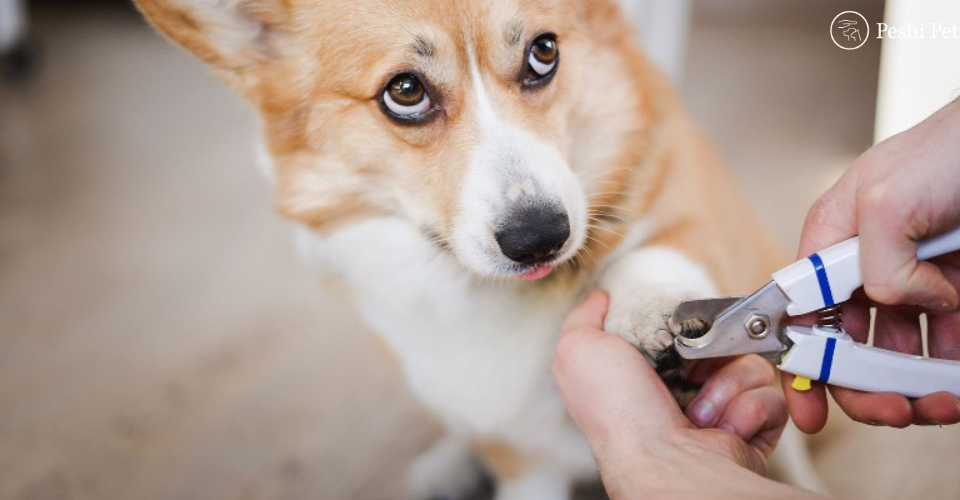
Guide for cutting nails of your pets
Cutting your dog or cat’s claws is one of the most necessary assignments for all pet parents. It not only keeps your floors and furnishings from unwanted scratches but also ensures that the nails are healthy and taken care of for your pet. Overgrown nails can be painful and result in unwanted behavior and health issues. Orthopedic problems may arise if a dog is unable to stand or walk without the toes splayed or curved from the length of their nails. Cats with overgrown claws can develop unwanted scratching behaviors; declawed cats, on the other hand, commonly face litter box problems and more. But what happens when your pet hates nail trims or you’re new to this important job? We’ve got your back. Here are our tips for nailing nail trims:
Prepare yourself
The first step is the most important! Before trimming your pet’s talons, educate yourself with the anatomy of your dog or cat’s claw including the quick — the vein that runs via the center. Nails should be trimmed in the demand they produce, and never faster than the short. It is painful and bloody to trim an animal’s nails too short. In addition, cutting the quick will contribute to their hatred of nail trims, and thus make it harder to get the job done.
Choose your supplies carefully. Local pet supply stores as well as websites carry an array of trimming kits for pet’s nails. Hand clippers work best in various sizes to fit the animal. It’s also wise to have a “drill” or file if your dog’s nails should be shaped or require smoothing to the edges.
Prepare your animal
You might want to get that manicure for your pet finished, but trust me, it’s not a competition. If either you or your pet are not used to having their nails trimmed, begin with just touching their feet and nails and giving them plenty of treats. Do this for a few days. That’s right — no clipping, just treats. Each day grasp your pet’s paw a little longer and a little tighter until you are duplicating the same pressure you would when cutting their nails. You can also just hold their paw while showing them the nail clippers. Lightly touch the clippers to their nails and give them a treat with a little praise. This makes them associate nail trims with positive rewards.
Time to Trim
Clip your pet’s nails when they are calm or tired. Good times to start are after a walk or even during a cat-nap. You may only cut one claw, depending on your experience level and your pet’s tolerance. THAT’S OKAY. The most important thing is to keep each session positive. We know how tempting it can be to try and power through, but if your pet is actively struggling, simply walk away. There will always be more chances!
Ask for help
Having a partner in trimming your pet’s nails can make all the difference. One person can distract and provide treats while the other carefully trims. Yes, we have all seen those YouTube videos of people wrapping saran wrap around their heads and covering themselves in peanut butter while trimming their dogs’ nails. Please, recruit a friend rather than turning yourself into a dog treat. You never need your face close to an animal’s mouth when they may be pressured or scared.
Why Nail Care Is Important?
Before we supply an explanation for the way to carry out nail care for your puppy, let’s have a short rundown on why it’s essential for your dog. Long nails can be hectic in your dog and can create other health-related troubles, along with joint pain. Moreover, pointy nails could scratch you or your family inadvertently or other animals. Trimming the nails will therefore ensure your comfort and your furry friend’s security.
How Deep to Cut
The secret to effective nail trimming is knowing how deep to reduce. Inside each nail is a pinkish vicinity referred to as the ‘short’. This element contains blood vessels and nerves, and reducing it may cause bleeding and pain. Your purpose is to trim the nail simply before reaching the fast. Here’s a step-with the aid of-step manual:
Gather Your Supplies: Get a good pair of pet nail clippers. It offers a range of high-quality clippers designed with precision and safety in mind.
Inspect the Nail: Look for the quick. In light-colored nails, it’s usually easy to spot a pinkish area. In dark-colored nails, it’s more challenging. On the side of caution and trim smaller bits until you see a grayish, solid center when you cut.
Cut at a 45-Degree Angle: Place the clipper at a 45-degree angle to the nail, and cut smoothly and quickly. If you’re not sure, it’s better to cut less than to cut too much.
File Smooth: After cutting, use a nail file to smooth out any sharp edges. This final step helps prevent scratches and discomfort.
Keeping Your Pet Calm
Calmness is the key when cutting your pet’s nails. Here are some tips:
Positive Reinforcement: Reward your pet with treats and praise at some stage in and after the nail trim. This high-quality affiliation can make the process much less stressful.
Practice Handling: Get your puppy used to having their paws touched and nails treated earlier than you start slicing. This desensitization can assist them feel extra cushty in the course of the system.
Take Your Time: Don’t rush. If your puppy is traumatic, start with just one or two nails at a time and regularly below the amount as they evolve conscious of the way.
Seek Professional Help: If you’re uncertain or nervous about cutting your pet’s nails, do now not hesitate to search for assistance from a professional groomer or veterinarian. They can demonstrate the technique and provide steering.
Conclusion
Nail care is as much a responsibility as owning your pet. Along with good nail clippers and these easy to follow tips you will be very confident in doing your pet’s nail trimming as it keeps the pet calm, relaxed, and pain-free, but remember; practice makes perfect. Don’t worry; it takes only some time. Your furry companion will thank you for it.